


The table ritual: much more than food
In front of the Easter table, Italy doesn't just eat: it tells its story. It's a collective ritual, a liturgy that unites religious and everyday life, in which food becomes a language of identity and a living archive of a shared culture. Easter Sunday represents the culmination of this narrative, while Easter Monday is its natural extension: more informal, freer, but no less meaningful.
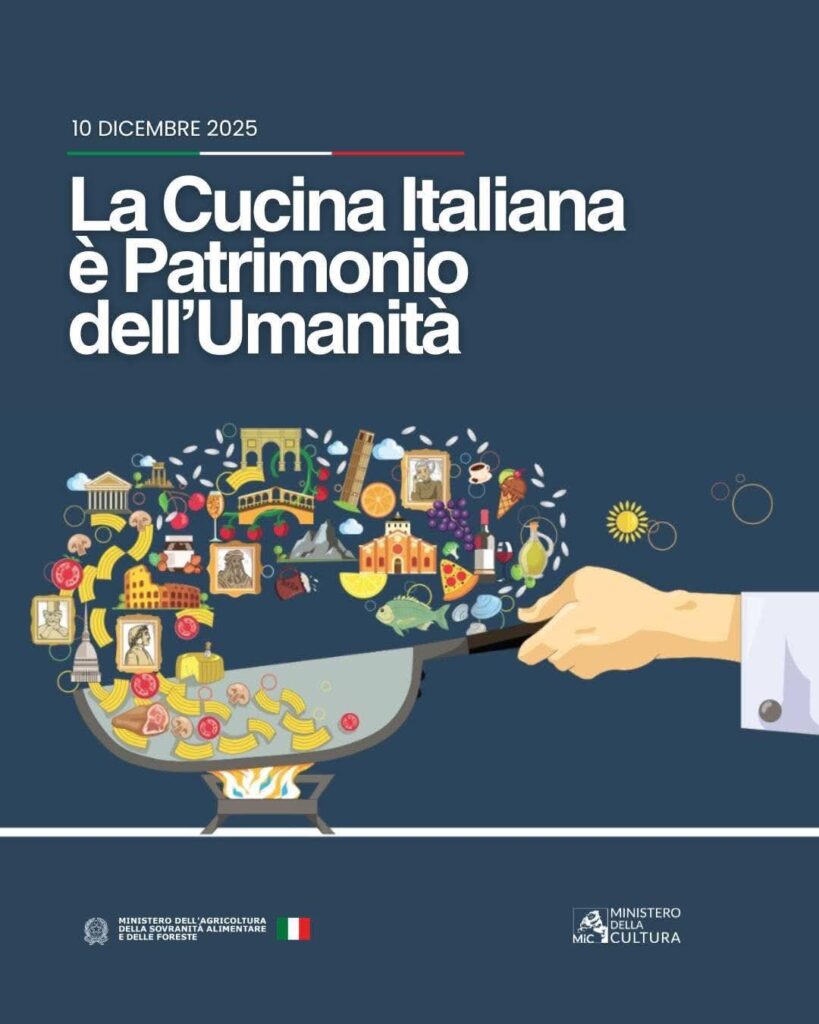
It is no coincidence that this heritage of gestures, knowledge and conviviality has found formal recognition at a global level: from 10 December 2025 the Italian cuisine It was included among the intangible heritage of humanity by’UNESCO. An award that recognizes not only the recipes, but above all the cultural and social value of "eating together.".
Unity and Diversity: The Geography of Easter Taste
In a country marked by extraordinary gastronomic diversity, Easter traditions offer a rare blend of unity and diversity. From the Alps to Sicily, the symbols are recurring—the egg, rebirth, conviviality—but their languages and interpretations vary.
Lamb is a staple throughout the peninsula, served in a variety of recipes: roasted in the central regions, baked with potatoes in the south, and sometimes replaced with kid. It's not just a dish, but a profound cultural symbol, rooted in Christian tradition and even more ancient rituals.
The egg and rebirth: symbols that endure
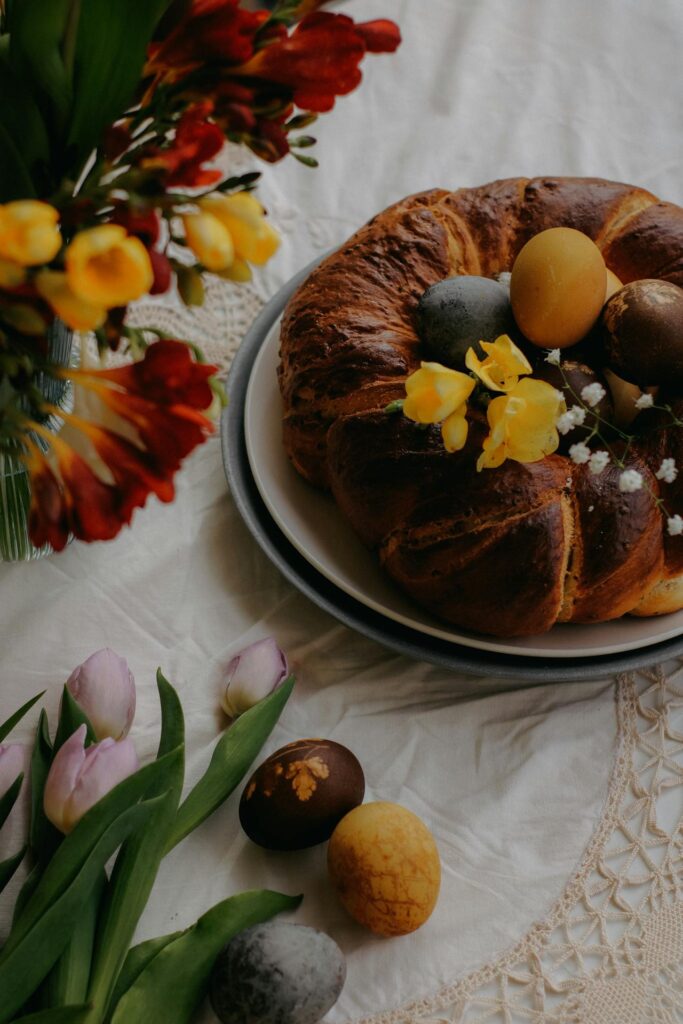
Alongside meat, Italian Easter celebrates spring through one of its most powerful symbols: the egg. Present in recipes and in the imagination, it represents life renewed.
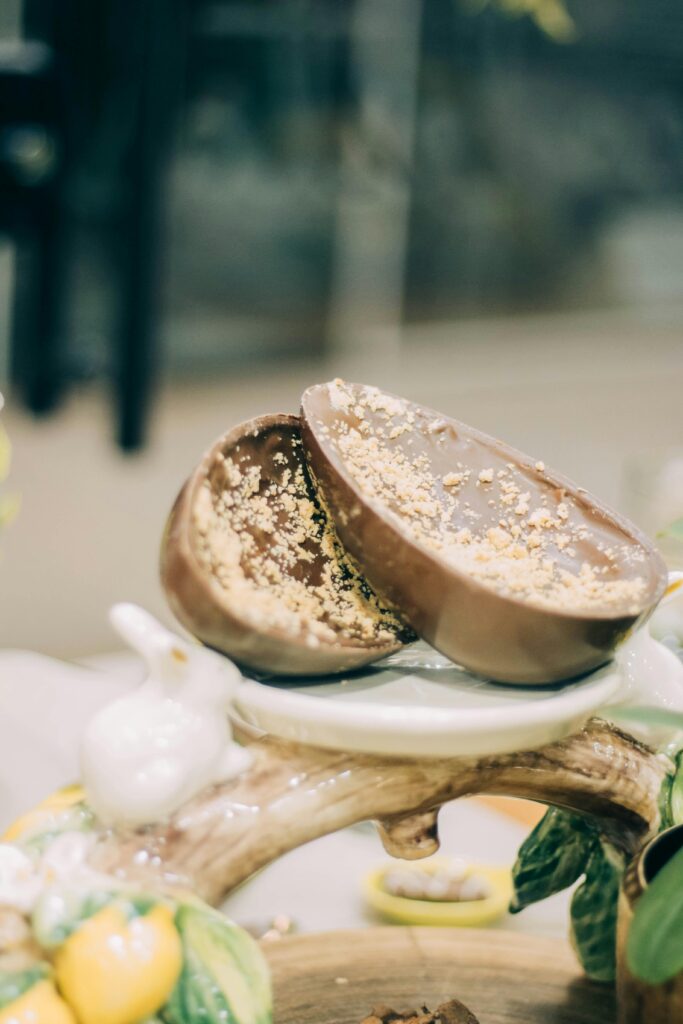
From savory pies containing whole eggs to the ritual breads of Southern Italy, this element permeates cuisine with an enduring symbolic power. Even in its most contemporary form, the chocolate egg maintains its allure, resonating with all generations.
Leavened products: the slow pace of tradition
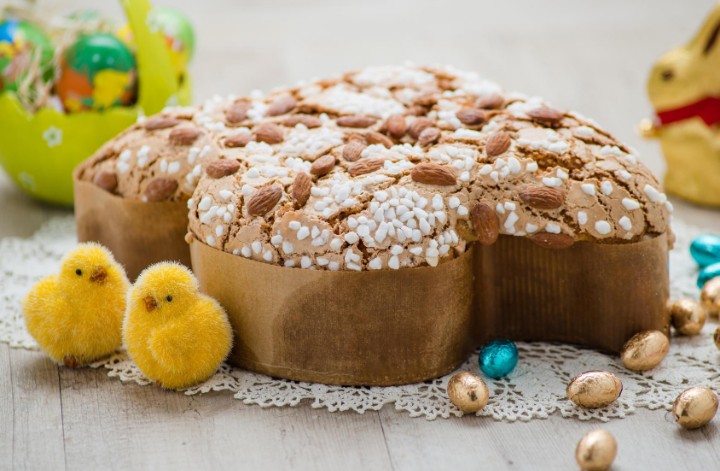
Among the highlights of the Easter table are leavened products, an expression of a culture that requires patience, technique, and memory. The Colomba, now a national symbol, coexists with a rich variety of local delicacies: Easter pizzas, casatielli, and focaccias.
These doughs embody the value of slow time, shared preparation, and a skill that resists contemporary standardization and continues to define Italian gastronomic identity. It is precisely this living, everyday dimension of cuisine that has contributed to its international recognition, which confirms its role not only as a culinary but also as a cultural one.
Easter Monday: Conviviality Becomes Freedom
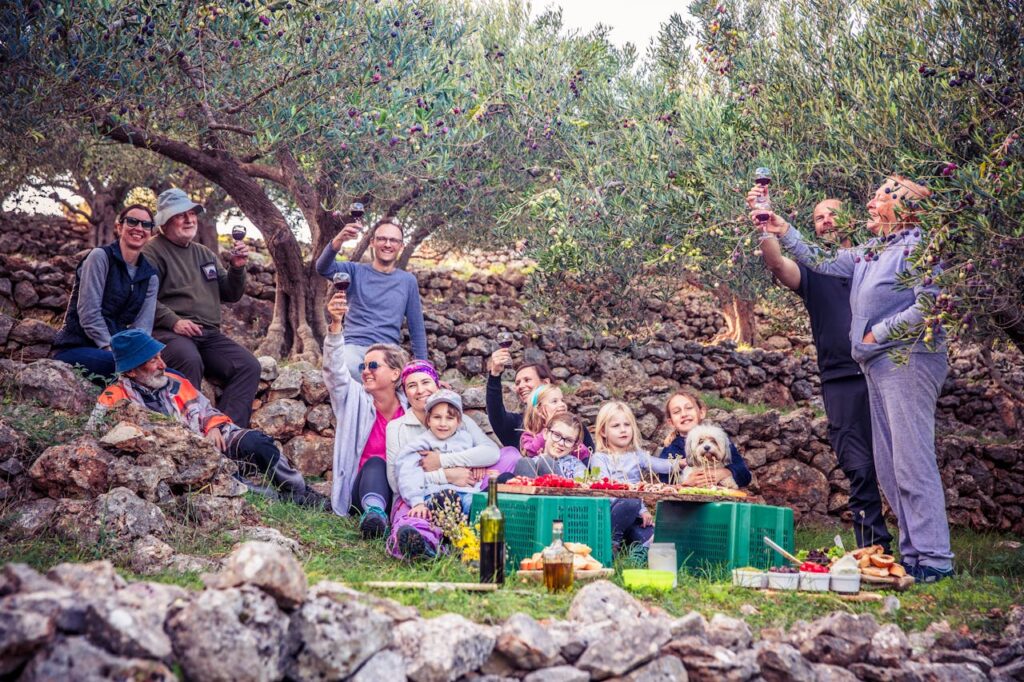
If Easter is the triumph of the formal table, Easter Monday represents its most spontaneous incarnation. Lunch moves outdoors, becomes lighter, and transforms into a picnic, a day trip, or a barbecue with friends.
Yet, beneath this apparent simplicity, a strong cultural continuity persists: the reuse of leftovers, the sharing of food, the centrality of being together. It's a conviviality that breaks free from rules without losing its profound meaning, perfectly aligned with the community spirit now recognized as a universal heritage.
Tradition and future: an open challenge
In an age dominated by food globalization, Easter traditions raise a crucial question: how can we preserve this heritage without turning it into an exercise in nostalgia?
The answer lies in the balance between preservation and innovation. More and more interpreters of Italian cuisine are working to reinterpret traditional dishes with a contemporary twist, preserving their soul while adapting them to new sensibilities.
However, the role of families remains central: it is in home kitchens that these traditions continue to live, in the simple yet decisive gesture of passing down a recipe, sharing knowledge, and building memory.
Italy that is recognized at the table
The story of Italy through food, as demonstrated by editorial experiences attentive to the cultural identity of the country, such as United States of Italy, led by Federica Brogna, is never just about food. It's a social, anthropological, and profoundly human story.
Easter and Easter Monday thus become a mirror of the country: a symbolic place where past and present, sacred and profane, tradition and change coexist. And today, thanks also to international recognition, this story takes on an even more universal dimension.
A memory that continues
In a world that's accelerating, these holidays remind us that identity isn't static, but is constantly renewed, even through everyday gestures like sharing a meal.
Because it is right there, around a table, that Italy continues to recognize itself.


