It's not just a sweet: it's a signal
In New York, a city that turns everything into a trend and then abandons it with the same speed, permanence is the true indicator of success.
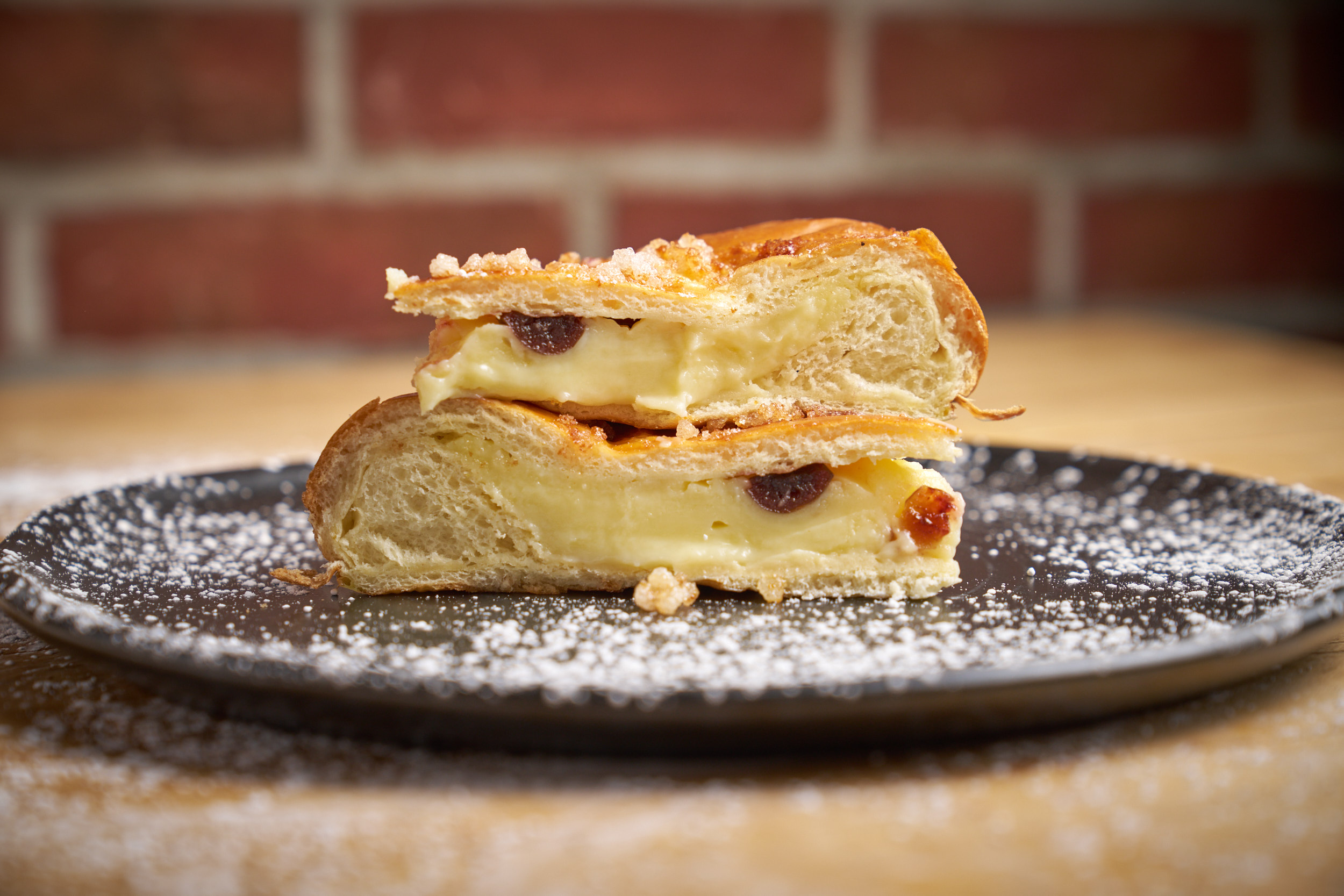
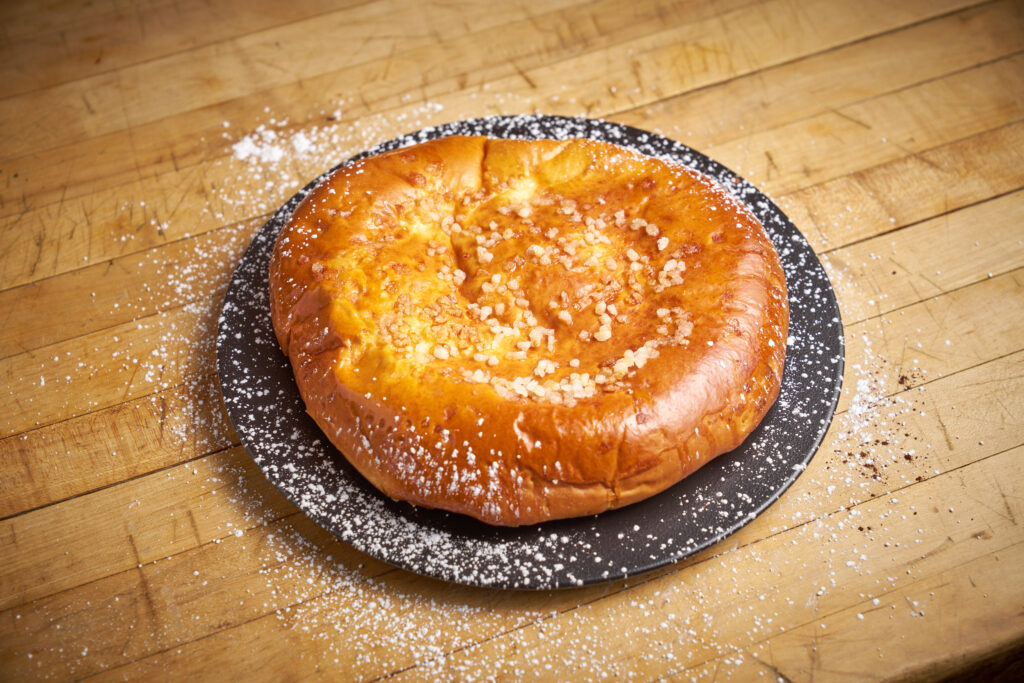
It's here that the Polacca Aversana, a soft brioche filled with cream and black cherries, a symbol of Campania's tradition, is building something more than a simple gastronomic curiosity. It's finding continuity.
This isn't an isolated case. It's a sign.
In the United States, Italian cuisine is now worth approximately 77 billion dollars, confirming itself as one of the most loved in absolute terms, especially in the North-East, where almost one consumer in two indicates it as their favourite, according to data published by Statesman.
But within this consolidated universe, something is changing.
From classical to identitarian: the paradigm shift
For years, Italian success in the US was based on a few recognizable pillars: pizza, pasta, tiramisu.
A winning, but predictable model.
Today, however, the market is shifting.
Not towards extreme innovation, but towards identity.
American consumers continue to love Italian cuisine, but they seek more specific, less standardized experiences. Products with a clear origin, a recognizable history, and a specific geography.
It is the same mechanism that is driving the growth of artisanal ice cream: a segment that in the United States is worth billions and continues to expand thanks to the demand for products perceived as authentic, artisanal and of superior quality, as highlighted by a report by Custom Market Insights.
The Polish Aversana fits exactly into this space.
Memory that becomes a project
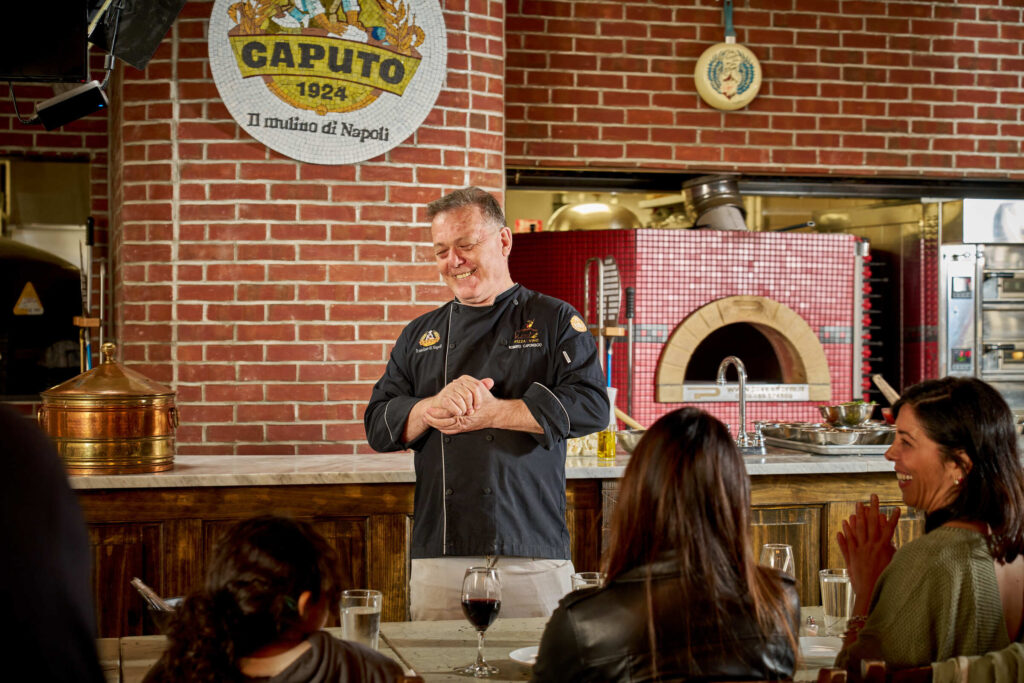
Behind his arrival in New York there is Roberto Caporuscio, pizza chef and entrepreneur who has already played a key role in the spread of Neapolitan pizza in the United States.
Today the Polish is offered in his New York restaurant, Kesté Pizza & Vino, a point of reference for authentic Neapolitan cuisine in the USA.
This time, however, the starting point is not a marketing strategy.
It's a memory.
During his travels between Naples and Lazio, Aversa was a regular stop. Not out of random habit, but out of necessity: that dessert, hard to find elsewhere, became a constant source of return.
Bringing him to the United States was not an immediate choice.
It was a process.
A year of testing, of remaking the dough, of reconstructing the balance.
Until its debut in 2024.
The success of the Polish player from Aversa in New York
The result exceeded expectations.
Today, the Polish Aversana in New York is the best-selling dessert at Kesté.
It surpasses tiramisu and represents over 35% of dessert sales.
A fact that, read together with market trends, becomes significant: according to industry analysts, American consumers are progressively abandoning the idea of dessert as a simple sugary excess, preferring more balanced and less sweet products, as highlighted by a report by Grand View Research.
And this is exactly where the Polish finds its space.
What is the Polacca Aversana: simplicity and precision
At first glance it might seem like a simple dessert.
In reality it is built on a precise balance.
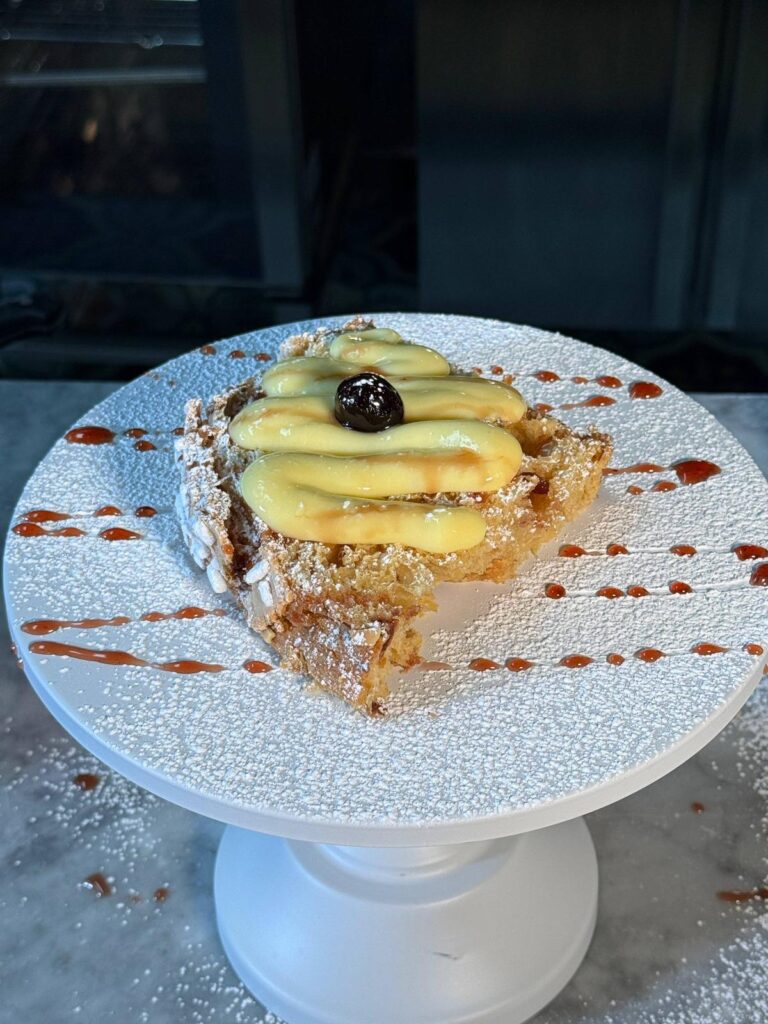
A soft brioche, a full but not heavy custard, and black cherries in syrup that introduce a sour note capable of breaking the sweetness.
It's not an excessive dessert.
He doesn't look for effect.
It works because it is calibrated.
The origins: between legend and identity construction
The origins of the Aversa Polacca date back to the nineteenth and twentieth centuries and remain partly shrouded in history.
The most widespread version speaks of a Polish nun who introduced the recipe to a local convent.
Other readings suggest a Central European influence.
This is a tradition deeply rooted in the Campania region, whose origins are linked to the gastronomic culture of Aversa, also explored by Italy at the Table.
But beyond the variants, the point is this:
In Aversa this dessert has become an identity.
Why it works today (and not before)
The central question is not why people like it.
It's because I like it now.
According to analyses of the dessert market in the United States, consumers continue to seek novelties, but without straying too far from familiarity: light reinterpretations work, products that innovate without completely breaking with what is already known, as highlighted by studies of Mintel.
The Polish Aversana responds perfectly to this logic:
- It's new to American audiences
- but it has a recognizable structure
- offers a different taste, without being alien
It is an accessible threshold.
No adaptation: the decisive choice
In this context, Caporuscio's choice becomes central.
No changes for the American market.
No simplification.
Italian ingredients, artisanal production, and on-time delivery.
A line that fits into the broader framework of the promotion of Made in Italy, also supported by institutions such as the Ministry of Foreign Affairs.
The Polish Dove: evolution without disruption
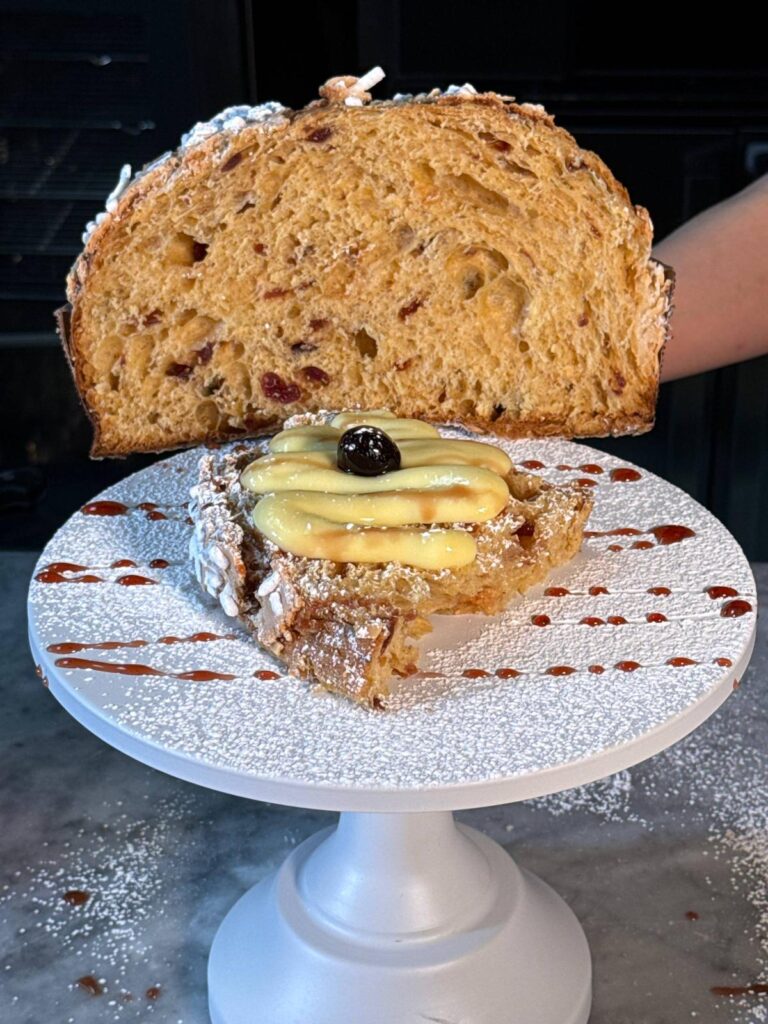
Alongside the classic version, there is also a seasonal variation: the Colomba inspired by the Polacca Aversana.
A delicate operation, which works precisely because it does not force change.
It retains the key elements—cream, black cherries, dough—and puts them in a new form.
It's an extension, not a reinterpretation.
A new chapter of Made in Italy
The success of the Polish player from Aversa in New York is not an isolated incident.
It tells the story of a different phase of Italian cuisine abroad.
After standardization, come local identities.
It is a slower, less evident, but deeper passage.
The value of remaining recognizable
In a global market that rewards speed and adaptability, Polacca is taking a different direction.
It remains recognizable.
It doesn't change for pleasure.
And that's exactly why it finds space.
Not all products can travel without transforming.
Some get lost.
Others, rarer, arrive intact.
And when it happens, it's not a trend.
It's a signal.