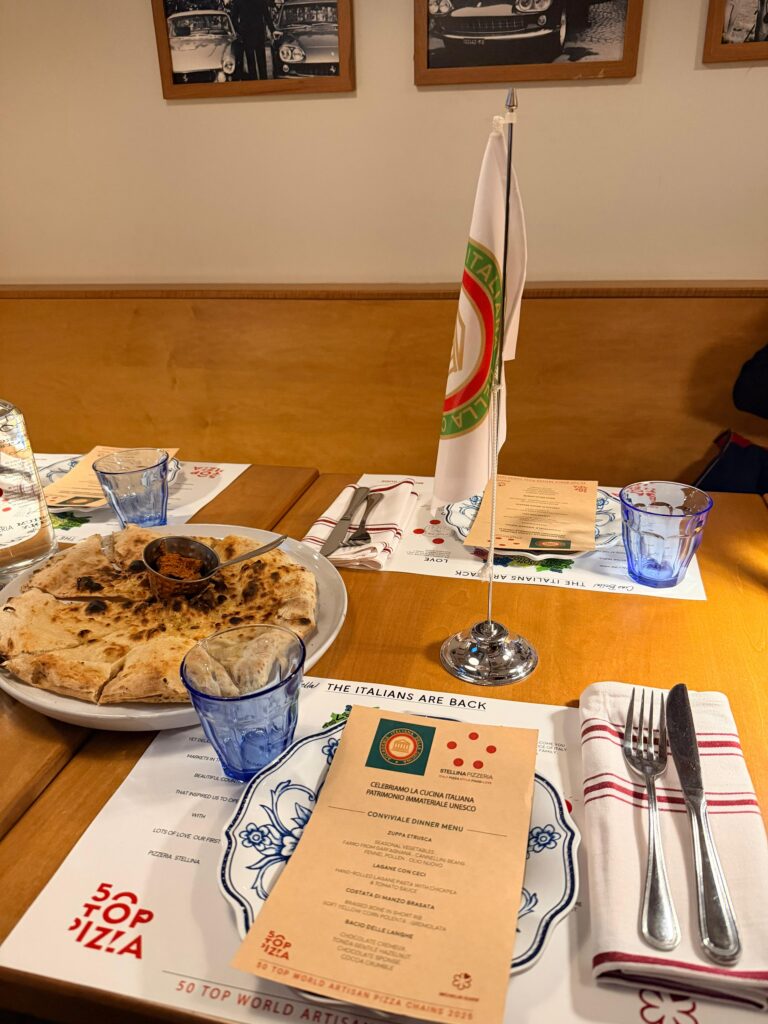
WASHINGTON —There comes a moment when a dinner stops being just a gastronomic experience and becomes a collective story. That's what happened at the restaurant. Starlet DC, where the Italian community gathered to celebrate a transition that was destined to leave its mark: the recognition of Italian cuisine as UNESCO Intangible Cultural Heritage.
Not a formal celebration, but a tangible meeting of people, stories, and visions. A way to clearly state that Italian cuisine is more than just culinary excellence, but a cultural system that continues to thrive and evolve, even far from Italy.
An unprecedented recognition
The highlight of the evening was the video link of Paul Petroni, president of the’Italian Academy of Cuisine, which took place on March 19, a symbolic date between tradition and anniversaries.
In his speech, Petroni immediately clarified a crucial aspect: the recognition awarded to Italian cuisine is unique. It does not concern a single practice or specific knowledge, but the entire national cuisine, in its complexity.
A choice that required a change of perspective. The candidacy, launched in 2023 with the contribution of institutions and cultural entities such as Casa Artusi Foundation and the magazine “Italian Cuisine”, faced an obvious difficulty: defining Italian cuisine without reducing it.
Not a list of dishes, but a lifestyle
The solution, Petroni explained, was to shift the focus. Not on the recipes, but on the context that makes them possible.
Italian cuisine has been proposed – and recognized – as one lifestyle, made of:
-
conviviality
-
respect for the ingredients
-
family transmission of knowledge
-
continuity between generations
It is this social dimension that UNESCO has chosen to enhance: a daily practice that renews itself without losing its roots, capable of uniting diverse territories in a shared identity.
The risk of simplifications
In his speech, Petroni also highlighted a critical point: the risk of misunderstandings.
The UNESCO recognition, he stressed, is not a quality label to be applied to restaurants or commercial activities.
Rather, it is the recognition of a collective heritage. A distinction that becomes crucial in a context where cultural value easily risks being transformed into commercial leverage.
The story on the plate
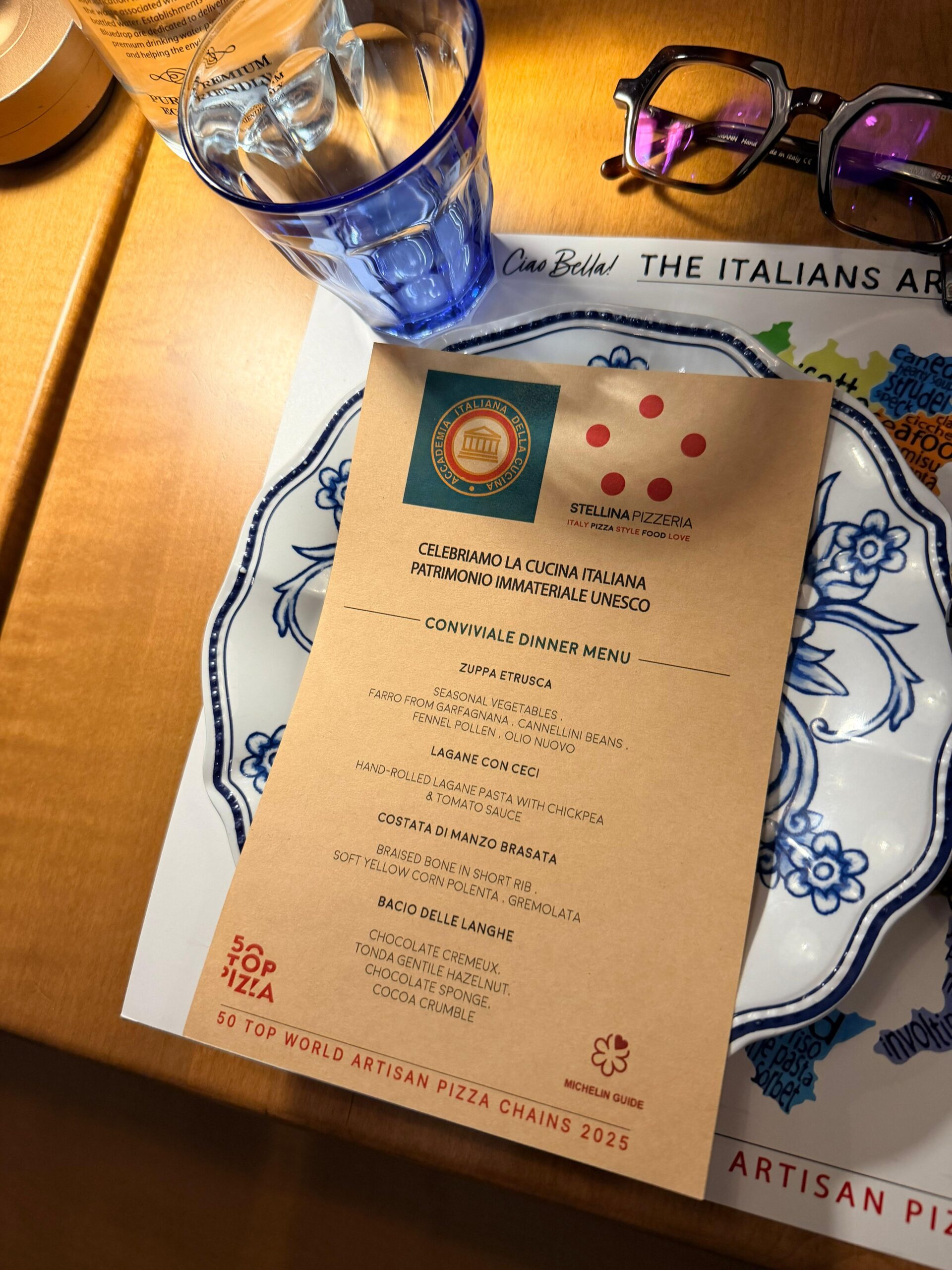
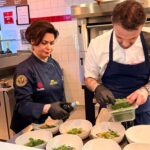
The second half of the evening translated these words into concrete experience. The menu followed a consistent line: traditional dishes, artisanal preparation, and no pretence for show.
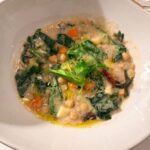
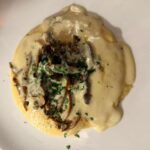
From the Etruscan soup to the handmade lagane with chickpeas, to the braised meat with polenta and the chocolate and hazelnut dessert, each course maintained a precise balance between memory and simplicity.
Not a reinterpretation, but a restitution.
Three protagonists, a shared vision
To interpret this idea of cuisine, three figures with different but convergent paths:
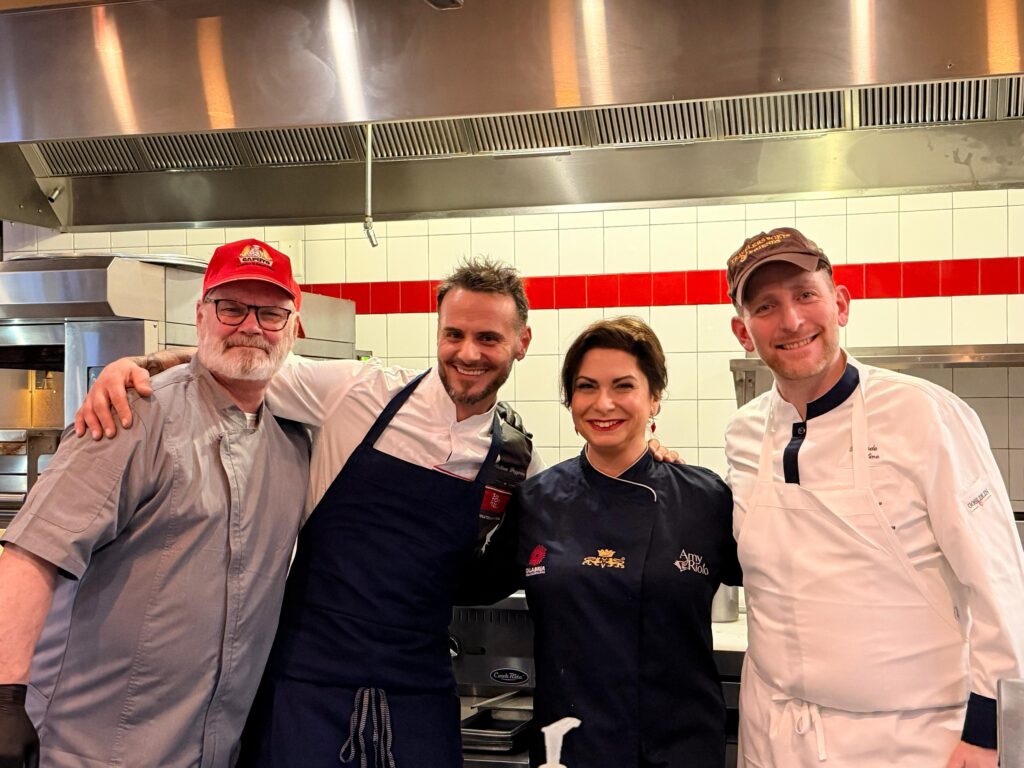
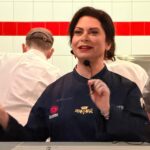
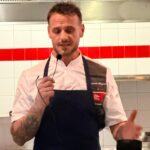
Richard Orofino, arrived from New York and at the helm of the renowned Osteria 57; Matteo Venini, chef and owner of Stellina; and Amy Riolo, chef and has been committed for years to promoting Italian gastronomic culture internationally.
Three different approaches, but one common goal: bringing the cultural value of food back to the forefront.
The role of the Italian community
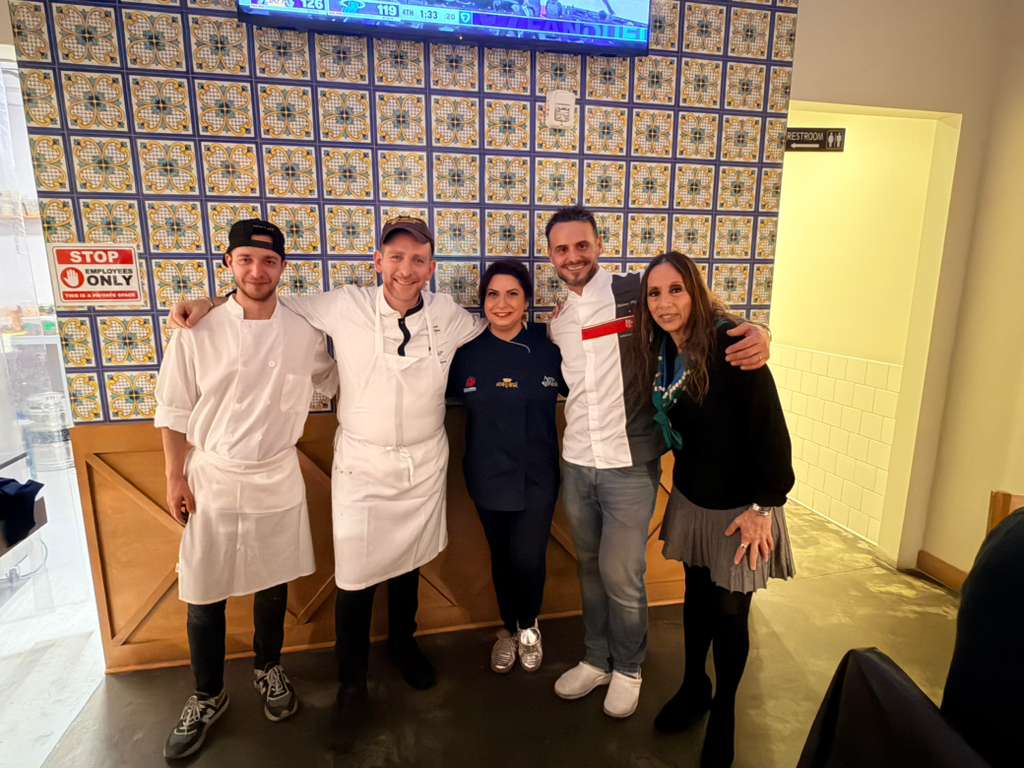
The evening was also made possible by the work of the Italian community in Washington, with the contribution of Maby Palmisano, President of the COMITES Washington DC. The doctor Palmisano He took the floor with an intense and measured speech, capable of bringing attention back to the most authentic essence of Italian cuisine: the conviviality. As a delegate of the Italian Academy of Cuisine and president of Italians in DC, Palmisano, an active organizer of initiatives for the Italian community in the capital, emphasized how the table, even before being a place for food, is a space for relationships and identity.“Italian cuisine — he recalled — It comes from a long and stratified history, made of territories, exchanges and family traditions, but finds its deepest meaning in the gesture of sharing“.
It is precisely in simple, everyday expressions that this culture is recognized: “eat with us”, or “let's add a place at the table”. Words that go beyond the invitation and become an act of openness, a way to include, welcome, and build community. A direct reminder that gave the evening a broader dimension: not just a gastronomic celebration, but a conscious moment in which food once again becomes language, memory, and connection.

Beyond dinner, a message
At Stellina, it wasn't just a recognition that was celebrated. A transition was made visible.
If until now Italian cuisine has been perceived above all as gastronomic excellence, the UNESCO recognition redefines its meaning: not just what you eat, but how you experience food.
This is where the most important game is played.
Not in conservation, but in the ability to continue to transmit, adapt, share.
For one evening in Washington, this was evident. And, above all, tangible.