

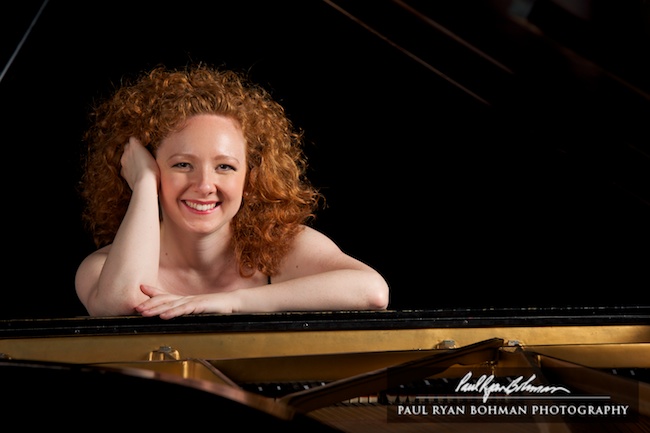
Growing up between two cultures means having two ways of seeing the world — and, in the case of the pianist Francesca Hurst, even two ways to listen to it. Divided between Italy and the United States, Hurst has transformed this double identity into an artistic resource: from the rock and Motown loved by his father to the Italian melodies dear to his mother, up to classical training and a career that encompasses concerts, university teaching and collaborations in contemporary music.
In this interview, she talks about how her roots, her teachers, and her passion for contemporary repertoire have shaped her career, and why she deeply believes that music can unite different cultures.
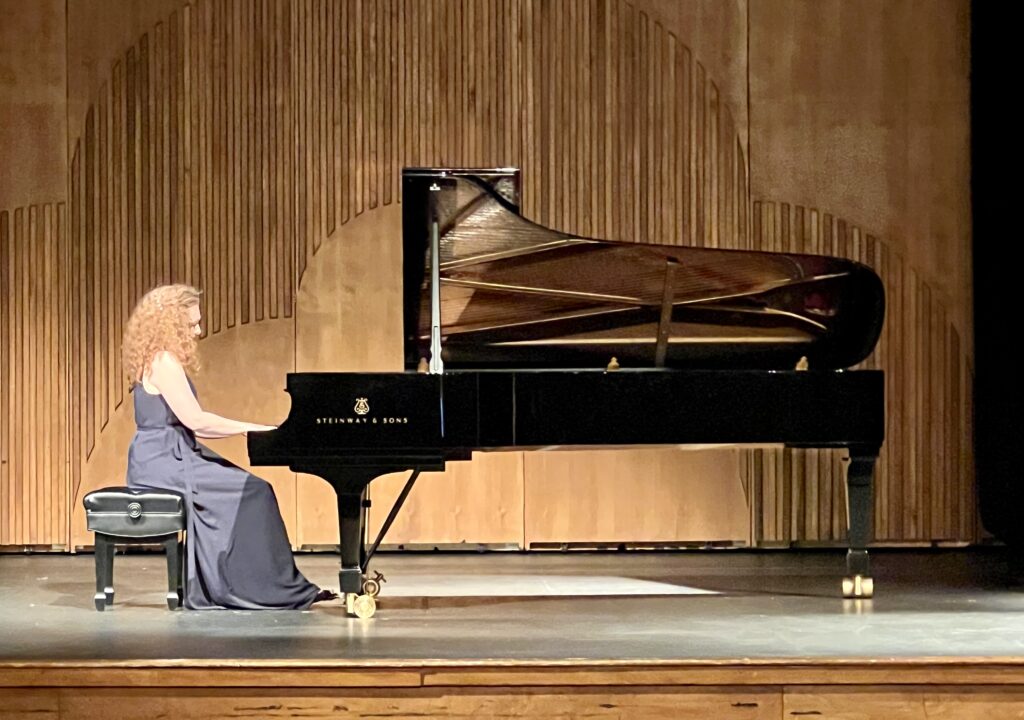
You have both Italian and American roots. How have these two cultures influenced you, as a person and as a musician?
I feel truly fortunate to have grown up in two cultures, two languages, and with families in two different countries! Both my parents played the piano a little and loved music, and classical music was played at home.
My father loved classic rock & roll, doo-wop, Motown, and artists like Dionne Warwick. My mother, on the other hand, loved Peppino di Capri, Elvis Presley, Nat King Cole, and even flamenco. From an early age, I was exposed to very diverse musical influences, from both sides of the Atlantic.
When did you realize that music—and the piano in particular—would become so important in your life?
Even though I studied seriously from the age of 5 to 18, I never considered making music a career. I think I realized how important it was during my year of study in Florence.
I had very little time to practice, and that's precisely why that hour a day became invaluable. My mother always said, "With music, you're never alone." And she was right.
Was there a moment, teacher, or experience that truly changed your musical journey?
There have been several. I've been fortunate to study with extraordinary teachers, and each has left a mark on my journey.
My first teacher, Maryen Herrett, with whom I studied from elementary school to high school, gave me a very solid technical and musical foundation. At university I initially studied biology, but thanks to my RA, I met Faina Lushtak, who became my teacher at Tulane. She inspired me with her musical sensitivity and sense of humor, qualities I try to pass on today.
While studying at Tulane, I spent some time in Florence and worked as a dog walker… for a concert pianist! His former student, Professor Ivo Kaltchev, He later became my teacher during my master's degree, with whom I later completed my doctorate. He was the one who helped me truly discover my potential as a performer.
Then there are so many special moments: when a student plays so beautifully that it leaves both of us speechless, when someone tells me they got goosebumps listening to a demonstration, or when a parent tells me that my students “didn’t just play, they made music.”.
Even during concerts, there are moments when time seems to stand still and I feel the audience completely with me: it is those moments that remind me why I do this job.
From a professional point of view, a fundamental experience was the one with the Great Noise Ensemble, a contemporary music group based in Washington, DC. I've been working with them for ten years, connecting with living composers and new repertoire, thus building my identity as a contemporary pianist. Since last year, I've also been collaborating with the Fuse Ensemble,, a chamber group that performs electroacoustic music, further expanding my path into contemporary music.
During the pandemic, I started the project Daily Dose of Piano, recording one piece a day for 100 days. Not just well-known composers, but also contemporary music and 14 first performances. It was an incredible experience, both technically and personally, and it taught me a lot about myself and my creativity.
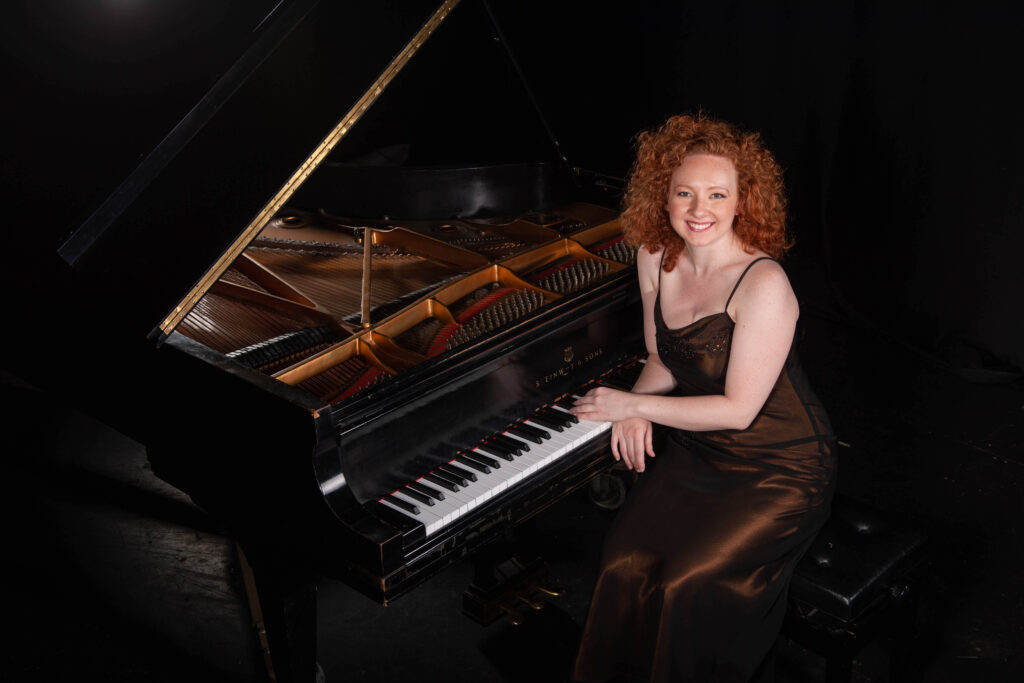
Photo Credit: Paul Bohman
Besides performing, you also teach at the university. What do you hope your students learn beyond technique?
I want my students to feel confident, creative, and ready to face the professional world. Today, musicians must be able to do many different things and create their own opportunities. Learning to think flexibly and innovatively is essential.
Music is often called a universal language. Do you think it can truly unite different cultures?
Absolutely. Musicians from different countries and cultures can play together without the need for words. In fact, they often manage to communicate more deeply through music. And this applies to all genres, not just classical music. Music transcends barriers.
Do you still have strong ties with Italy today?
Yes, fortunately so! My mother was from Salerno, and most of my family still lives there, so I return every year. In the United States, I frequent Italian groups to keep the language alive, and I'm in constant contact with my cousins.
I also teach at the Orfeo Music Festival in Trentino during the summer. I've already performed in Italy and hope to return soon.
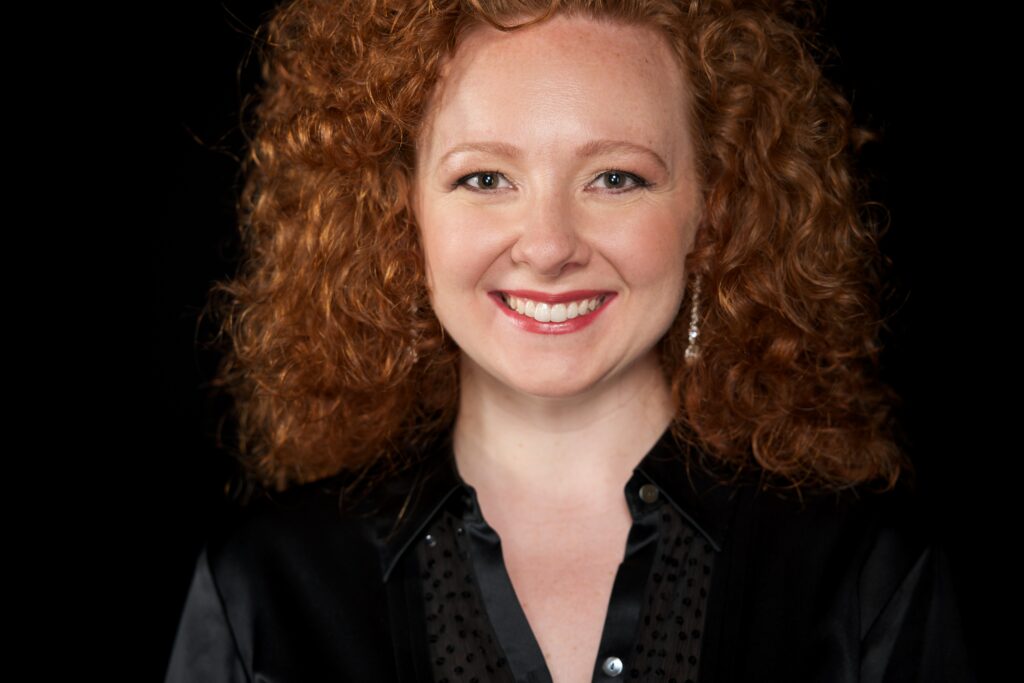
Photo Credit: Paul Bohman
Have you noticed any differences between the Italian and American audiences?
That's an interesting question. Italians, in general, are more familiar with opera melodies. It's not uncommon to imagine an entire piazza singing "La donna è mobile" or "Nessun dorma.".
In the United States, however, music programmers seem more open to featuring lesser-known composers or less traditional repertoire. Perhaps this reflects a greater curiosity about new music.
Many young people today feel distant from classical music. How can we connect with them?
By taking them to concerts! There are many events designed for younger people, often with discounted tickets. It's important that music becomes a normal part of life, not something exceptional.
And then, encourage them to play an instrument. I obviously recommend the piano, but any instrument is fine: it helps them listen, concentrate, and appreciate music. Finding a teacher they feel comfortable with is also crucial.
Is there a moment in your career that you remember as particularly significant?
Yes, a concert at the Church of San Giorgio in Salerno, a few years ago. It was the first time many of my Italian relatives had heard me play live. It was truly moving.
What future projects are you most excited about?
I'm very excited about the release of my first solo album, coming soon! It features music by three living contemporary female composers, and it's a project I'm truly proud of.
If you'd like to learn more, you can subscribe to my newsletter on my website or follow me on Instagram or Facebook. IG: @francescahurstpianist
FB: facebook.com/francescahurstpiano


