Washington - The tenth edition of the Week of Italian Cuisine in the World, with an exclusive evening held at the residence of the Italian Ambassador, Villa Firenze. The initiative, promoted by the Embassy of Italy in the United States, brought together institutions, protagonists of the Italian and Italian-American restaurant industry, and representatives of the U.S. administration to celebrate and enhance Italian agri-food excellence and the principles of the Mediterranean Diet.
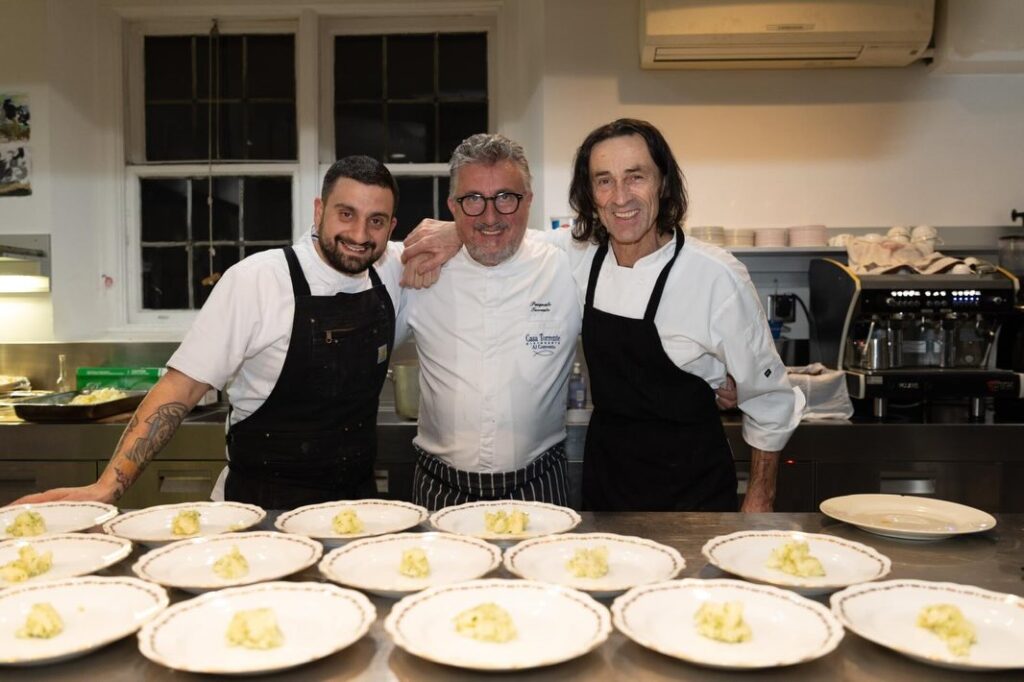
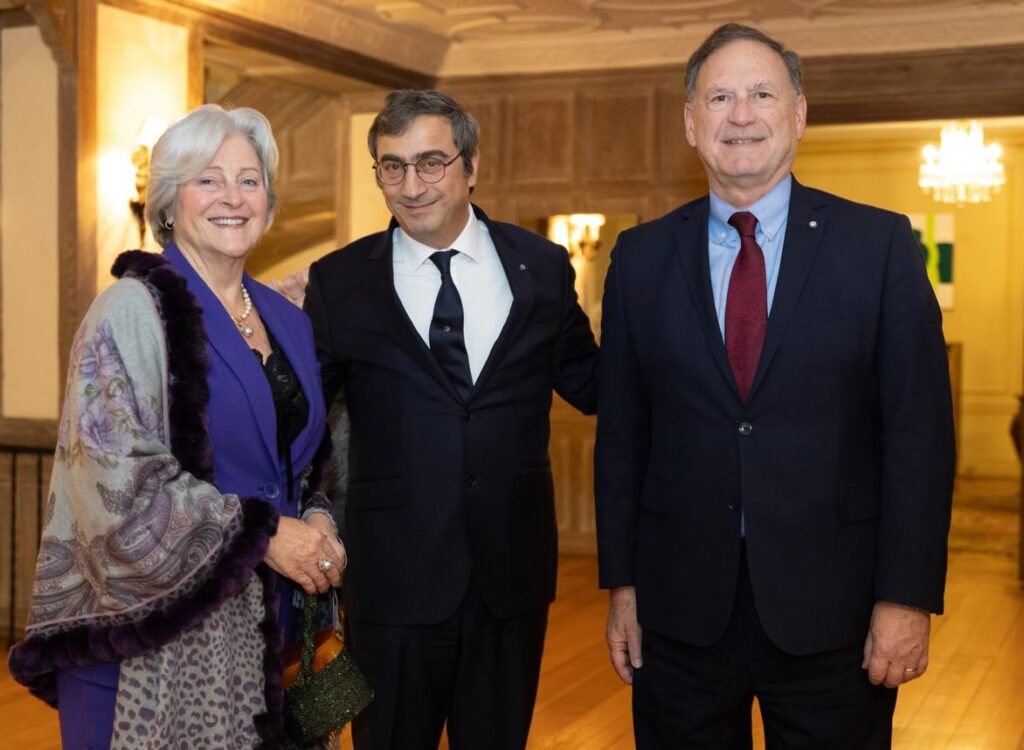
The official dinner, curated by the chef of Villa Firenze Roberto Grazioli in collaboration with Pasquale and Gaetano Torrente of the restaurant AThe Convent of Cetara (Salerno), offered a menu designed to tell the story of territory and tradition through quality ingredients and artisanal techniques. Guests included political and judicial figures, including Congresswomen Deborah Bergamini and Carlo Fidanza, and Supreme Court Justice Samuel Alito, as well as members of the U.S. administration such as Deputy National Security Adviser Andrew Baker and Under Secretaries Allison Hooker and Dario Gil.
«Celebrating Italian Cuisine Week here in the United States means helping to make the American public even better acquainted with our agri-food excellence and the principles of the Mediterranean Diet,» said Ambassador Marco Peronaci, emphasizing that «Italian cuisine is a cultural language, a way of life, a heritage handed down from generation to generation.».
A rich and multidimensional program
The Villa Firenze event is part of a busy calendar of events organized by the Embassy and in collaboration with Consulates, Italian Cultural Institutes, companies in the agri-food sector, consortia and educational entities such as ALMA. Events in recent weeks include the Italian Cultural Society gala with chef Massimo Bottura and the evening presentation of Lidia Bastianich's book, both hosted at Villa Firenze.
Special attention was paid to nutrition education: the “Festival of 5 Colors,” held on November 19 with the Pancrazio Foundation, involved more than 130 children in educational activities and hosted a panel on health and nutrition with representatives of the Istituto Superiore di Sanità and Italian and American academics. Italian-American chef Amy Riolo, known for her work in promoting Italian gastronomic culture in the United States, was also among the protagonists of the outreach effort.
Cooking as cultural diplomacy
The Week of Italian Cuisine in the World is more than a series of dinners: it is a cultural strategy that combines trade promotion, protection of typical products and public diplomacy. By involving chefs, consortia and academia, the initiative aims to create a coherent narrative about the origins and values of Italian food - from the agricultural supply chain to sustainable consumption practices - while also strengthening ties between Italian-American communities and the Italian territory.
For the Embassy, collaboration with traditional partners such as the Italian Academy of Cuisine and the “Ambassadors of Taste” Association made it possible to amplify the scope of the event, making it a moment of encounter between economy, culture and innovation in the agri-food supply chain.
Impact and prospects
This year's edition reaffirmed how Italian gastronomy remains one of the most effective tools for cultural and trade promotion abroad. Through initiatives dedicated both to the general public and to specialized targets - journalists, buyers, trade operators - the Week contributes to consolidating the image of Made in Italy food and supporting export growth.
Looking to the future, the Washington experience confirms the importance of maintaining a constant dialogue between diplomacy, businesses and cultural operators to enhance Italian agrifood biodiversity, promote healthy and sustainable food practices and continue to tell, even abroad, the story and identity of our country through food.
Future programs and local initiatives will be taken care of by the Consulates and Italian Cultural Institutes present in the United States. The tenth edition confirms that Italian cuisine is-and will remain-a powerful vehicle for culture, economy and international relations.