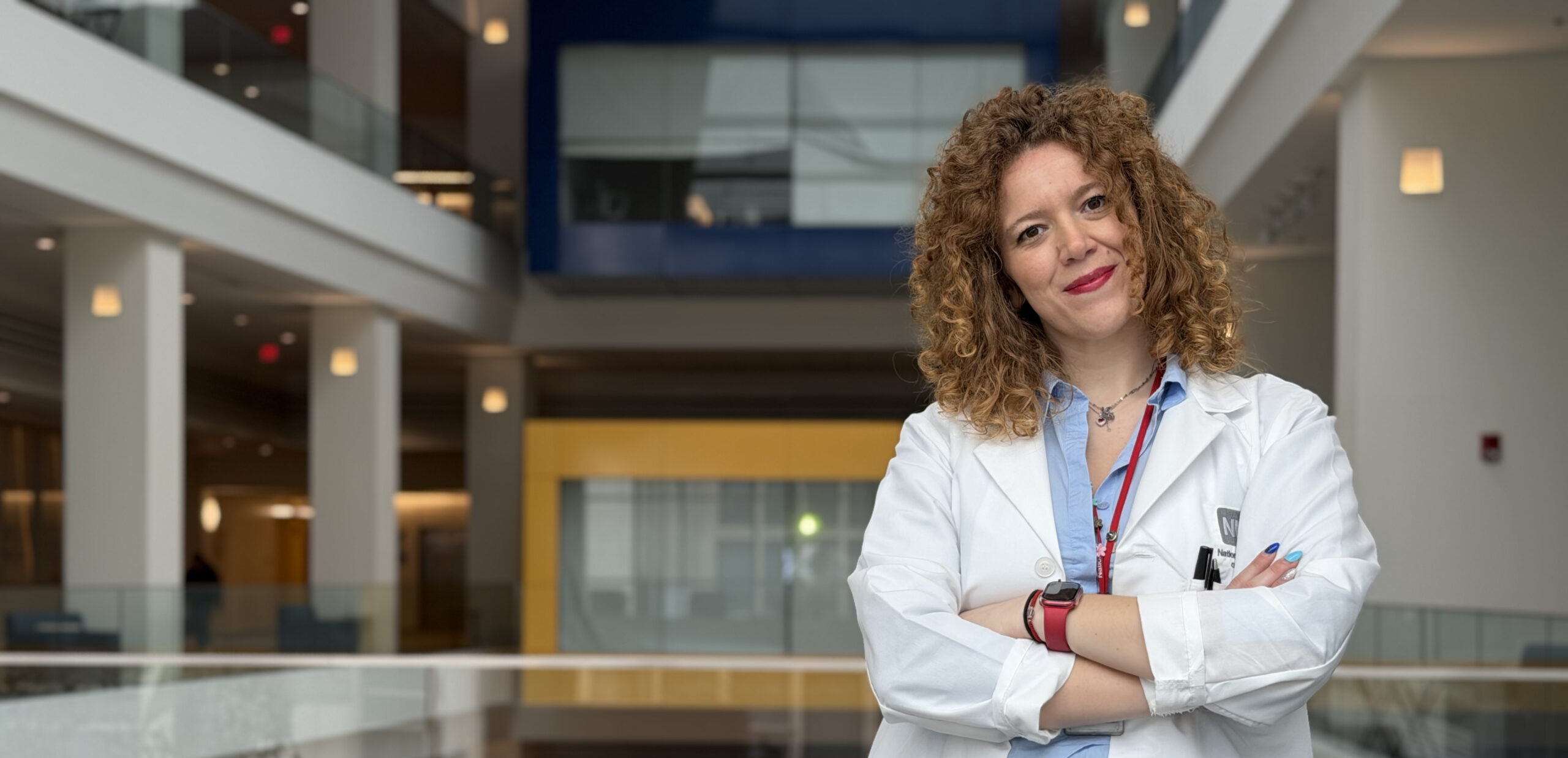
There are paths which are measured in goals, and others which are read in the people who remain, silently, at the origin of every step forward. When Paola Ruffo He talks about his journey, his voice remains steady, but something changes: it becomes more intimate, more authentic. It is there that the deeper meaning of a story emerges, a story that is not only made of study, research, and achievements, but of connections.
From the slopes of Sila, to Casali del Manco, in the heart of the province of Cosenza, up to the laboratories of National Institutes of Health, The thread that binds everything together has never broken. It took shape in times of difficulty, it grew stronger in the most uncertain moments, those experienced far from home, when moving forward meant believing in something even when it seemed more complicated.
And along that journey, more than any other reference, there's a constant, recurring presence. A figure who has never stopped being there, even from a distance. Because behind every visible achievement, there's often someone who believed first, stronger, and for longer.
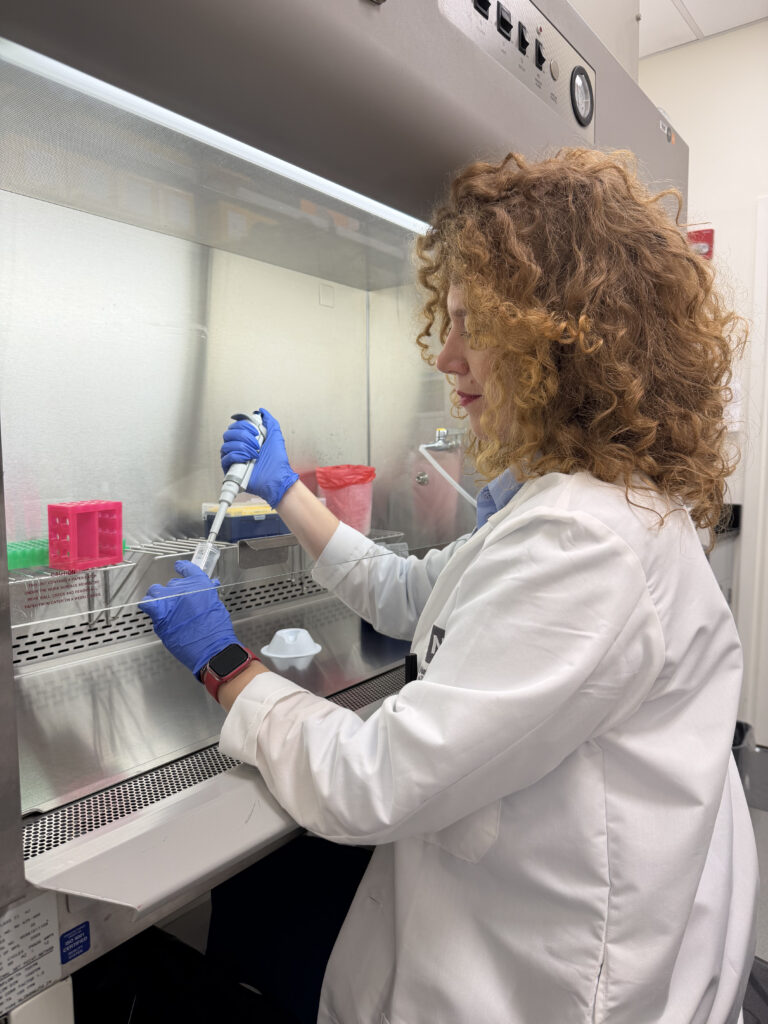
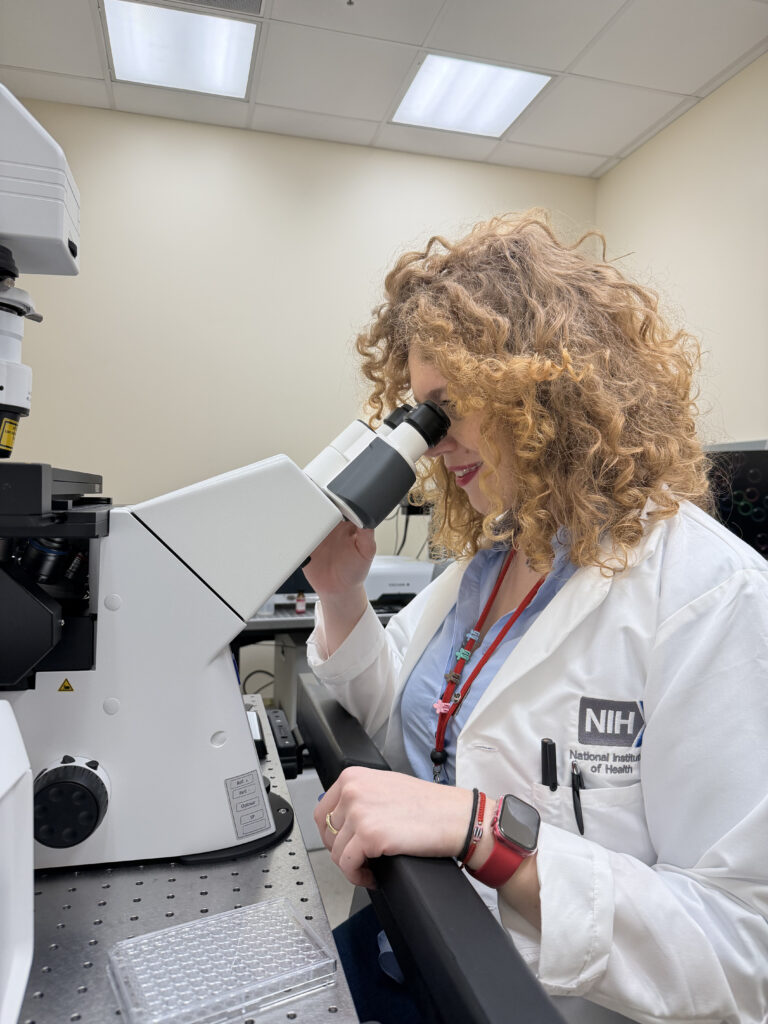
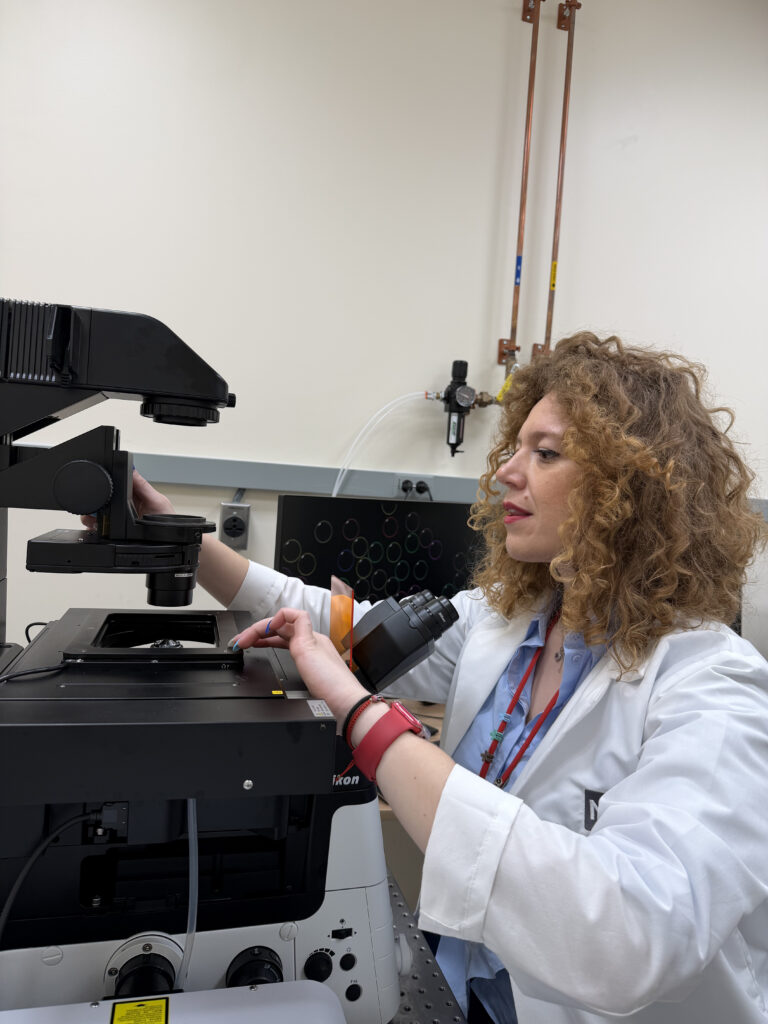
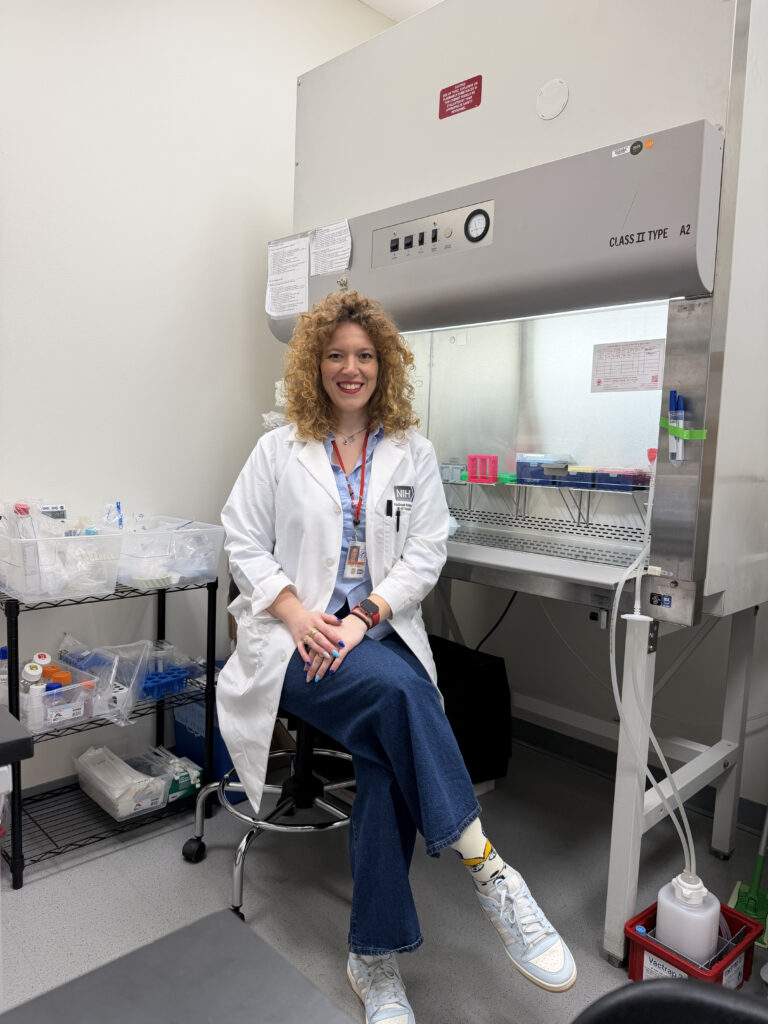
Today Paola is a young Italian researcher who moves confidently in one of the most advanced scientific contexts in the world, contributing every day to the understanding of complex diseases such as Amyotrophic Lateral Sclerosis. But the true meaning of his journey lies not only in the results he will achieve, but also in the direction he has chosen to give his life.
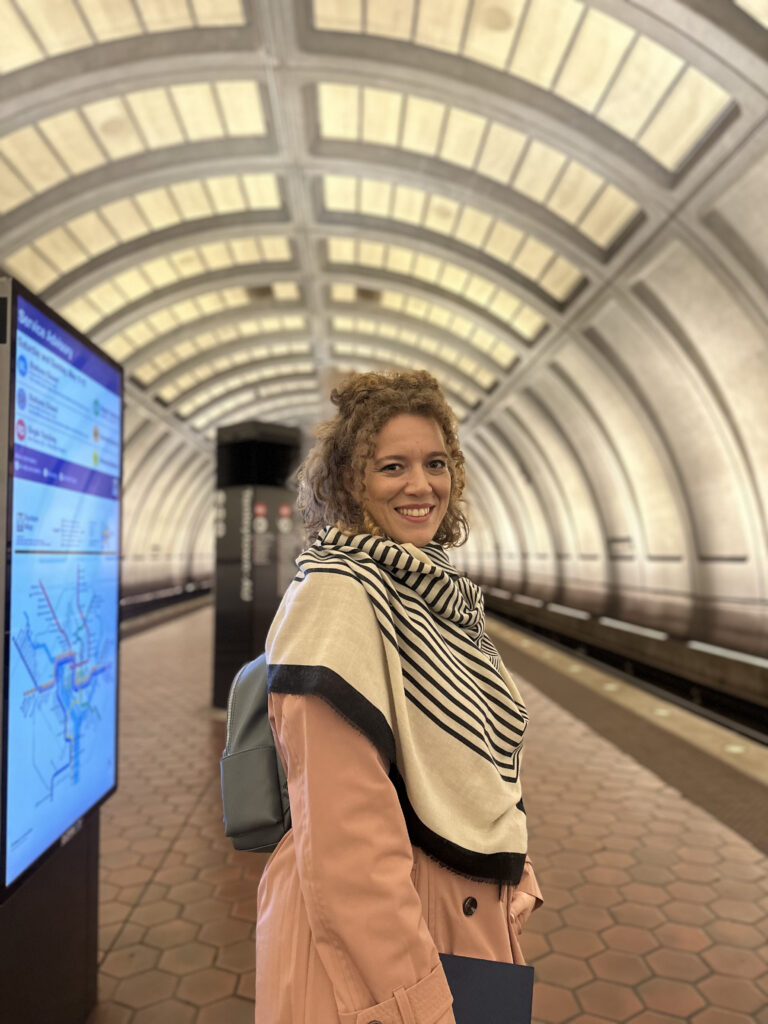
Let's start with Calabria: what kind of girl were you and what led you to research?
I was a very curious girl, full of questions and with a strong desire to build a future for myself through education. I grew up in Calabria, a wonderful land that teaches you early on the value of sacrifice, family, and determination.
Ever since I was a child, I've felt the need to understand the whys and wherefores of things; superficial answers were never enough. This is how my research began: from a desire to know, but above all from the awareness that knowledge can become a concrete tool to help others. For many years, I thought my path would be medicine, because I wanted to concretely help people live better and feel better.
Then, growing up, I understood that At the basis of every cure, every medical progress and every hope for patients there is always research. I understood that to truly help people, it's not enough to cure what we already know; we also need to discover what we don't yet know. It was then that I realized my place was in science.
What was the personal and professional path that led you to the National Institutes of Health?
It was a journey built with determination, ambition, and perseverance. I've always strived for the best: every goal I've achieved has encouraged me to look beyond, driven by the desire to grow and continually challenge myself.
My journey in research began in a moment of uncertainty, after my master's degree in Rome, when I wasn't sure whether to pursue a doctorate or join a company. I decided to take some time and began a voluntary internship in my professor's medical genetics lab: an experience I now consider decisive. It was there that something sparked, and I realized that this was my world.
I began working on neuromuscular diseases, a field that deeply engaged me both scientifically and personally, thanks also to meeting talented researchers and a professor who gave me the opportunity to learn and experiment.
I then undertook my PhD in Calabria and Rome: intense years, filled with sacrifice, study, and constant travel, but crucial for building solid foundations and gaining greater awareness.
At a certain point, I felt the need to transcend all boundaries and look overseas. I sent my resume to one of the world's leading ALS experts, who is now my manager, and he trusted me by welcoming me into his team.
So I came to the United States, leaving my loved ones in Italy and departing on a one-way ticket. A courageous choice, perhaps the most difficult, but also the one that transformed me the most, as a researcher and as a person.
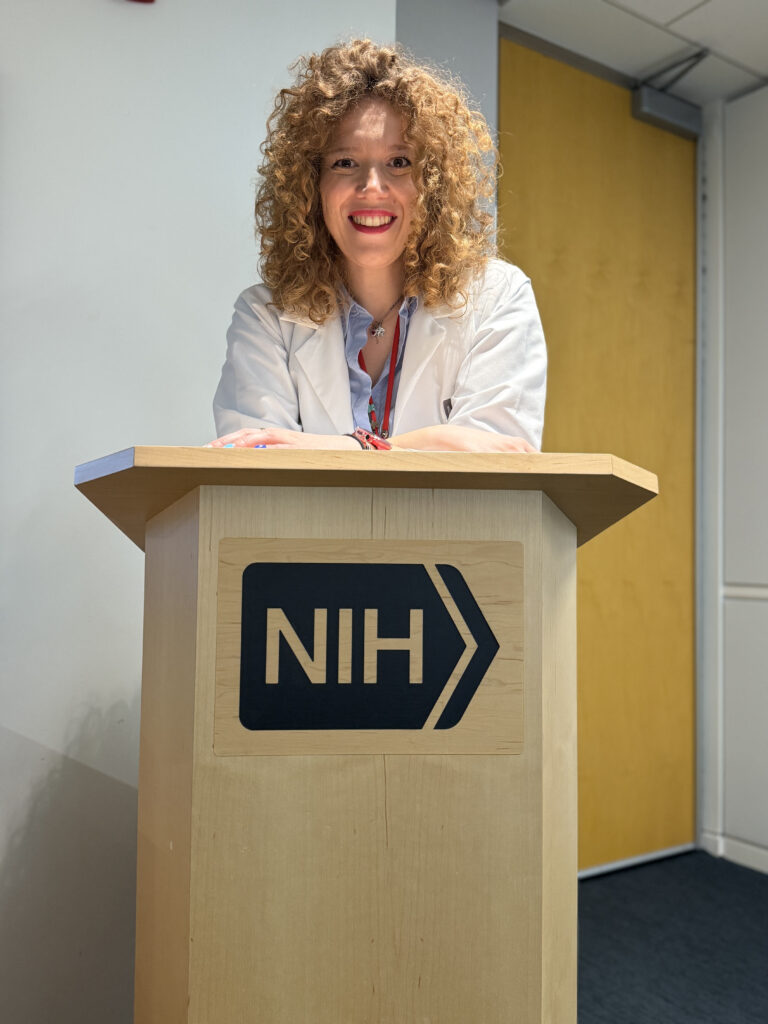
Do you remember your first day in Washington: more excitement or more fear?
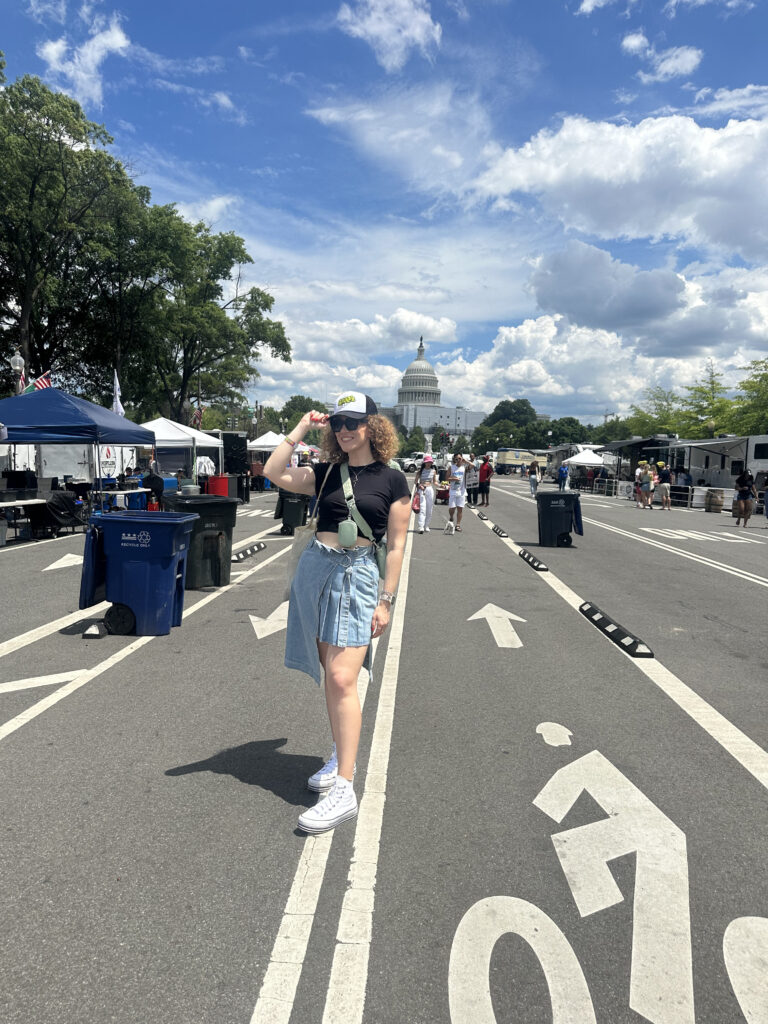
I remember it very well, and above all it was fear. A healthy, lucid fear, coupled with the awareness of having just taken one of the biggest steps of my life. I had flown overseas, to the United States, completely alone, with literally two suitcases in my hand and everything else left behind in Italy: loved ones, habits, certainties. In that moment, I truly understood what starting over meant.
I wasn't just changing countries or jobs; I was opening a new chapter in my life, or rather, a new book. Everything lay ahead of me: a new daily routine, new relationships, new professional challenges. Alongside the fear, there was, of course, the excitement of finding myself in one of the world's most important places for scientific research.
But the overwhelming feeling that first day was the weight of responsibility and the awareness of having chosen a difficult path. Over time, I've come to understand that the most important moments in life often come just like this: when you're afraid, but you keep going anyway.
Was there a specific moment when you realized that this would be your path?
Yes, and it was a more emotional than rational moment. I knew this would be my path when I realized that behind every test tube and every piece of data there aren't numbers, but real lives: people, families, hopes.
Working on neurodegenerative diseases, I felt all this even more strongly. Science stopped being something distant and became concrete, capable of entering people's lives and, even if only in part, making a difference.
At a time when I still had many doubts about my future, one thing was certain: when I was in the lab, I felt I was in the right place. It was there that I understood that research wasn't just an interest, but a responsibility, a dream, and the way I wanted to contribute to the world.
What was the biggest shock, personal or professional, in moving to the United States?
The biggest shock was entering a system that runs at a completely different pace. Professionally, I found a dynamic and meritocratic environment, where skills and the ability to seize opportunities count.
But the deepest shock was human: moving to the United States meant rebuilding one's life from scratch, far from loved ones and points of reference. The loneliness and distance were felt, especially in the most important moments.
It's precisely through these difficulties that you truly grow: you learn to be independent, to know yourself better, and to transform nostalgia into strength. An experience that enriched me professionally and made me a stronger and more aware person.