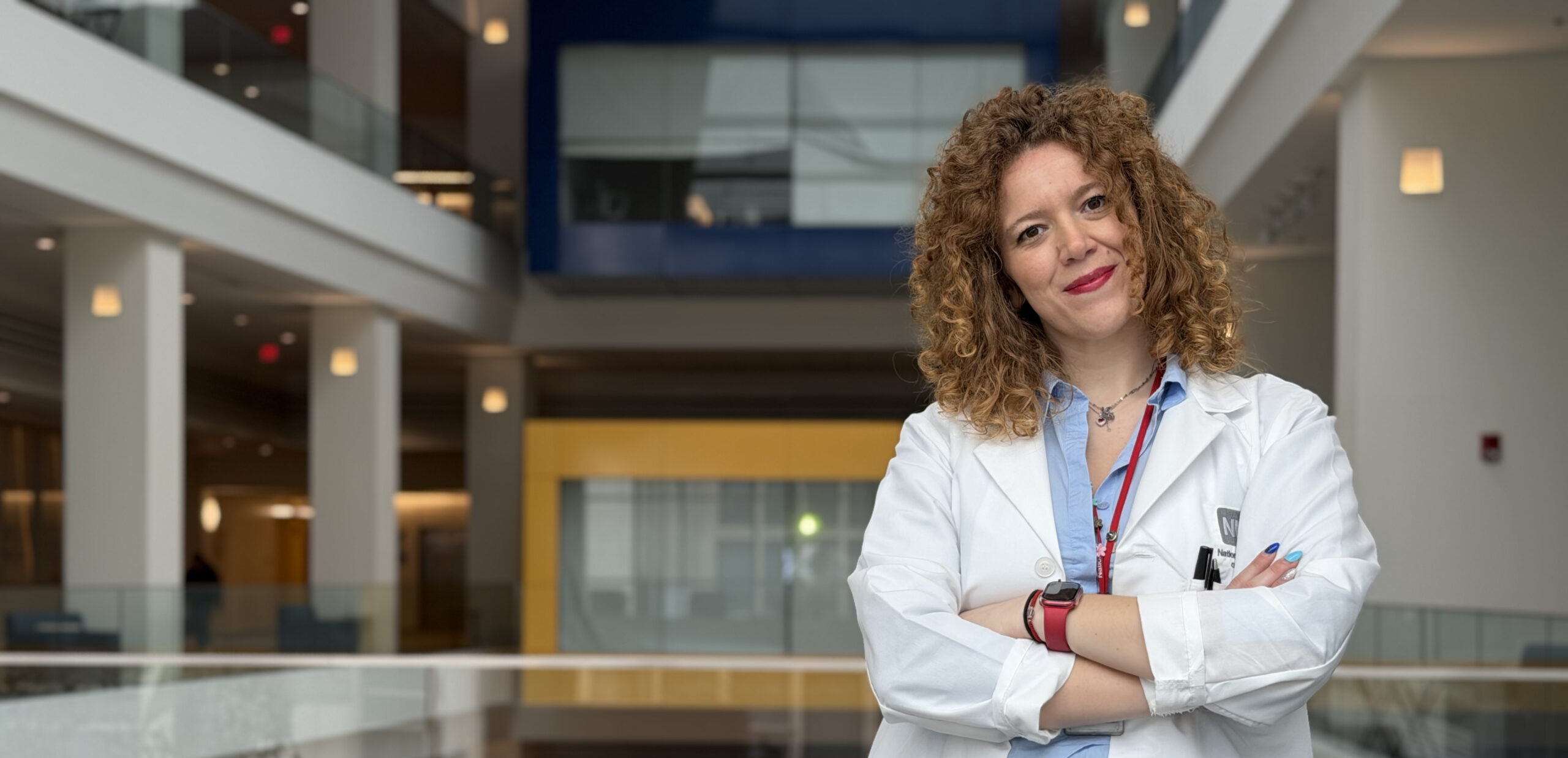
There are paths which are measured in goals, and others which are read in the people who remain, silently, at the origin of every step forward. When Paola Ruffo He talks about his journey, his voice remains steady, but something changes: it becomes more intimate, more authentic. It is there that the deeper meaning of a story emerges, a story that is not only made of study, research, and achievements, but of connections.

From the slopes of Sila, to Casali del Manco, in the heart of the province of Cosenza, up to the laboratories of  National Institutes of Health, The thread that binds everything together has never broken. It took shape in times of difficulty, it grew stronger in the most uncertain moments, those experienced far from home, when moving forward meant believing in something even when it seemed more complicated.

And along that journey, more than any other reference, there's a constant, recurring presence. A figure who has never stopped being there, even from a distance. Because behind every visible achievement, there's often someone who believed first, stronger, and for longer.

Today Paola is a young Italian researcher who moves confidently in one of the most advanced scientific contexts in the world, contributing every day to the understanding of complex diseases such as Amyotrophic Lateral Sclerosis. But the true meaning of his journey lies not only in the results he will achieve, but also in the direction he has chosen to give his life.
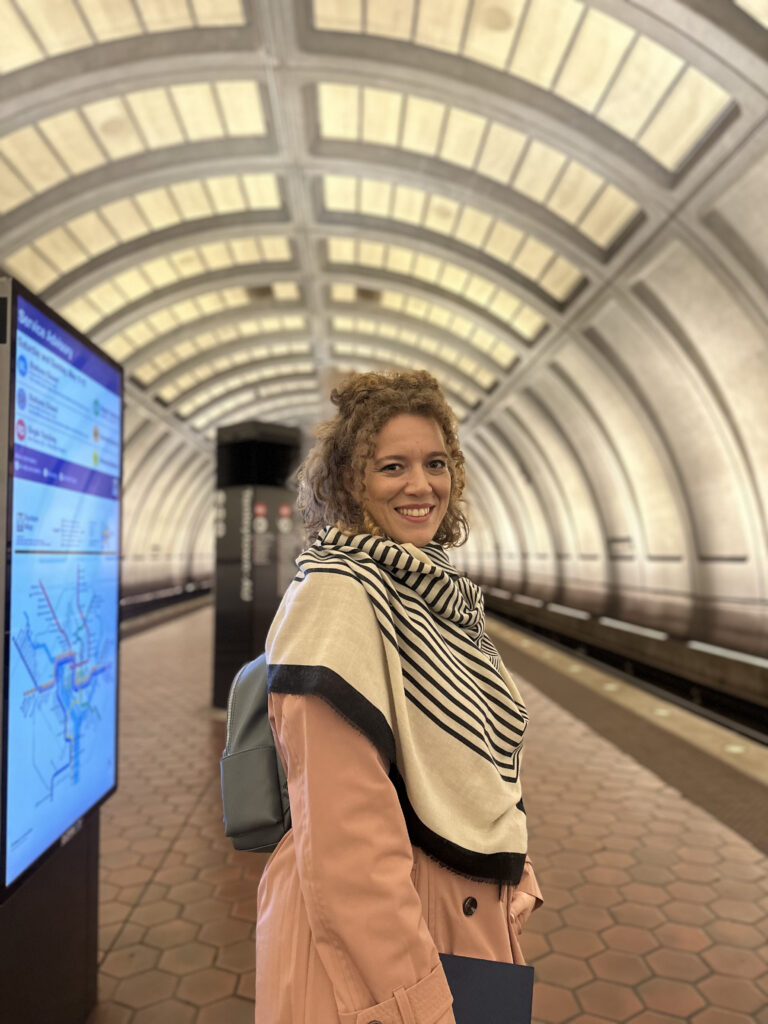
Let's start with Calabria: what kind of girl were you and what led you to research?

I was a very curious girl, full of questions and with a strong desire to build a future for myself through education. I grew up in Calabria, a wonderful land that teaches you early on the value of sacrifice, family, and determination.

Ever since I was a child, I've felt the need to understand the whys and wherefores of things; superficial answers were never enough. This is how my research began: from a desire to know, but above all from the awareness that knowledge can become a concrete tool to help others. For many years, I thought my path would be medicine, because I wanted to concretely help people live better and feel better.

Then, growing up, I understood that At the basis of every cure, every medical progress and every hope for patients there is always research. I understood that to truly help people, it's not enough to cure what we already know; we also need to discover what we don't yet know. It was then that I realized my place was in science.

What was the personal and professional path that led you to the National Institutes of Health?

It was a journey built with determination, ambition, and perseverance. I've always strived for the best: every goal I've achieved has encouraged me to look beyond, driven by the desire to grow and continually challenge myself.

My journey in research began in a moment of uncertainty, after my master's degree in Rome, when I wasn't sure whether to pursue a doctorate or join a company. I decided to take some time and began a voluntary internship in my professor's medical genetics lab: an experience I now consider decisive. It was there that something sparked, and I realized that this was my world.

I began working on neuromuscular diseases, a field that deeply engaged me both scientifically and personally, thanks also to meeting talented researchers and a professor who gave me the opportunity to learn and experiment.

I then undertook my PhD in Calabria and Rome: intense years, filled with sacrifice, study, and constant travel, but crucial for building solid foundations and gaining greater awareness.

At a certain point, I felt the need to transcend all boundaries and look overseas. I sent my resume to one of the world's leading ALS experts, who is now my manager, and he trusted me by welcoming me into his team.

So I came to the United States, leaving my loved ones in Italy and departing on a one-way ticket. A courageous choice, perhaps the most difficult, but also the one that transformed me the most, as a researcher and as a person.
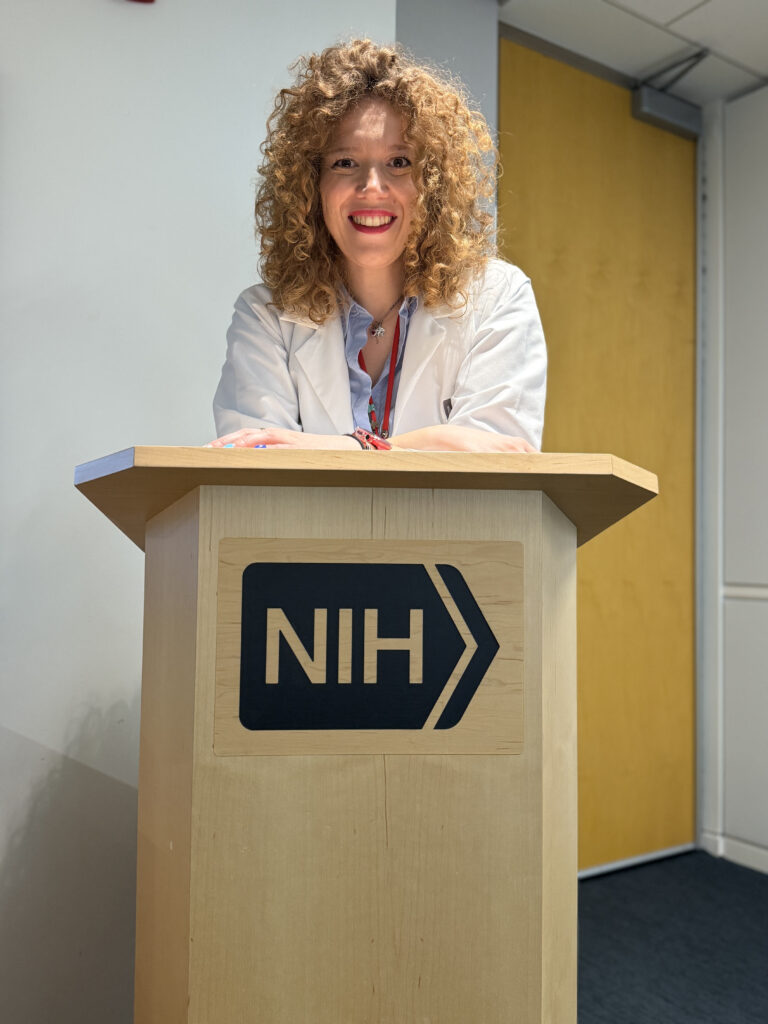
Do you remember your first day in Washington: more excitement or more fear?

I remember it very well, and above all it was fear. A healthy, lucid fear, coupled with the awareness of having just taken one of the biggest steps of my life. I had flown overseas, to the United States, completely alone, with literally two suitcases in my hand and everything else left behind in Italy: loved ones, habits, certainties. In that moment, I truly understood what starting over meant.

I wasn't just changing countries or jobs; I was opening a new chapter in my life, or rather, a new book. Everything lay ahead of me: a new daily routine, new relationships, new professional challenges. Alongside the fear, there was, of course, the excitement of finding myself in one of the world's most important places for scientific research.

But the overwhelming feeling that first day was the weight of responsibility and the awareness of having chosen a difficult path. Over time, I've come to understand that the most important moments in life often come just like this: when you're afraid, but you keep going anyway.


Was there a specific moment when you realized that this would be your path?

Yes, and it was a more emotional than rational moment. I knew this would be my path when I realized that behind every test tube and every piece of data there aren't numbers, but real lives: people, families, hopes.

Working on neurodegenerative diseases, I felt all this even more strongly. Science stopped being something distant and became concrete, capable of entering people's lives and, even if only in part, making a difference.

At a time when I still had many doubts about my future, one thing was certain: when I was in the lab, I felt I was in the right place. It was there that I understood that research wasn't just an interest, but a responsibility, a dream, and the way I wanted to contribute to the world.

What was the biggest shock, personal or professional, in moving to the United States?


The biggest shock was entering a system that runs at a completely different pace. Professionally, I found a dynamic and meritocratic environment, where skills and the ability to seize opportunities count.

But the deepest shock was human: moving to the United States meant rebuilding one's life from scratch, far from loved ones and points of reference. The loneliness and distance were felt, especially in the most important moments.

It's precisely through these difficulties that you truly grow: you learn to be independent, to know yourself better, and to transform nostalgia into strength. An experience that enriched me professionally and made me a stronger and more aware person.
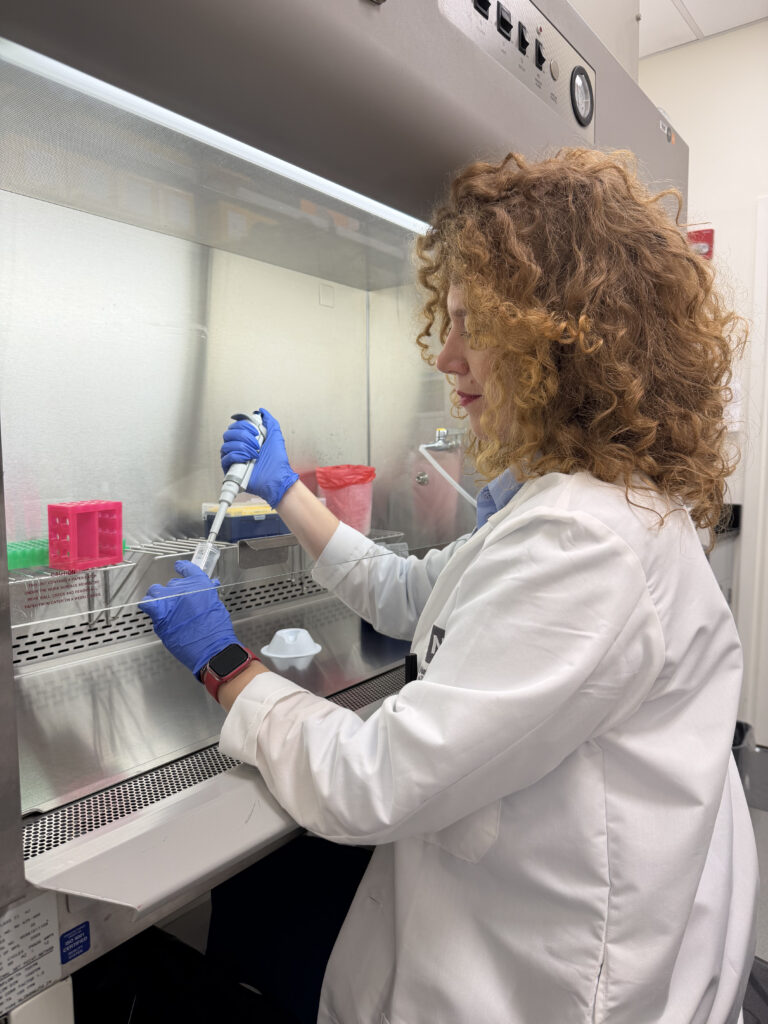
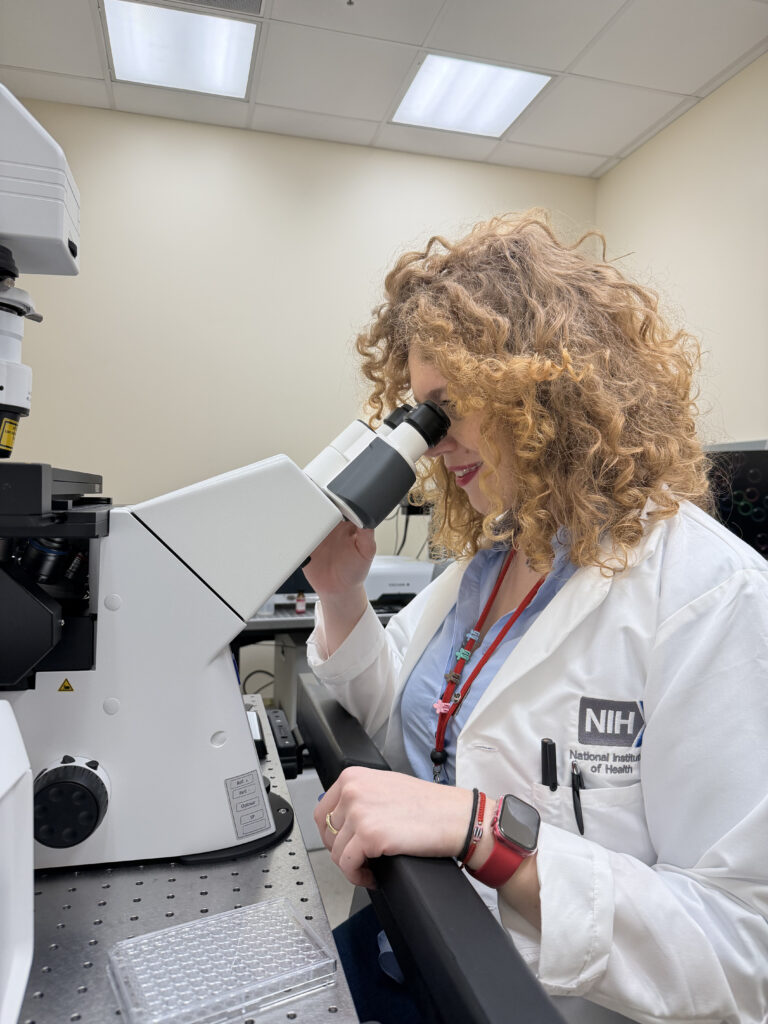
What do you do today, for those who aren't in the industry?

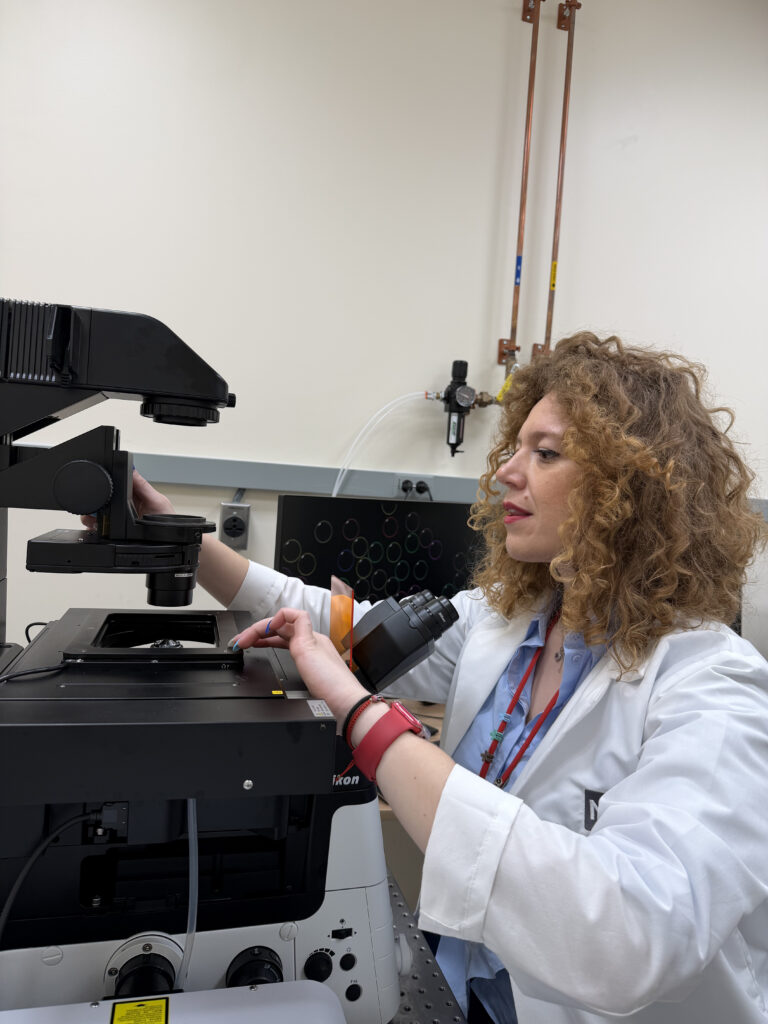
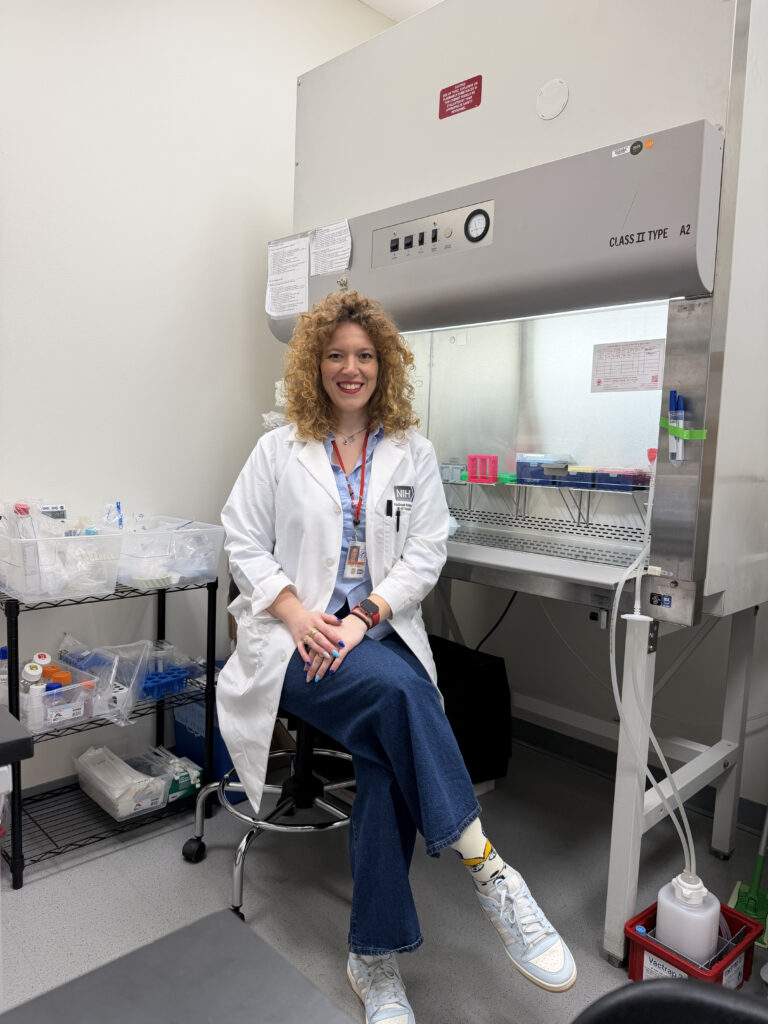
Today, I study neurodegenerative diseases like ALS, trying to understand what happens to nerve cells when they begin to become diseased and progressively lose their function. In simple terms, I try to reconstruct the biological mechanisms that cause a neuron, which should transmit signals and allow us to move, speak, or breathe, to stop functioning properly.

My work focuses primarily on identifying the early signs of the disease, those that are often unseen but are crucial. Understanding what happens in the early stages is essential, because that's where we'll one day be able to intervene more effectively. Every experiment, every piece of data collected, every hypothesis tested helps put together the pieces of a puzzle that's still incomplete.

It's complex work, requiring patience and perseverance, because in research, results never come overnight. But ultimately, it means seeking answers where too many questions still remain, with the hope that what we discover in the lab can one day be transformed into concrete help for patients.

Is there a human or ethical side to your work that particularly touches you?

Yes, and it's perhaps the part I feel most deeply about. Behind every biological sample, every piece of genetic data, every analysis we perform, there's a real person who has decided to entrust a part of themselves to science. Often, this choice comes in difficult moments, when one is living with illness or fear of the future.

For me, this is a huge leap of faith. It means believing that your experience, your pain, or your story can help someone else. It's something I never take for granted. It constantly reminds me that our work requires scientific rigor, but also human respect.

The ethical aspect of research isn't just about rules and protocols, but how we safeguard that trust. Every day I feel a responsibility to do my job well, also to honor those who have chosen to contribute, often without knowing whether they will ever see the results of that effort.

What are the main differences between the Italian and American research systems, and where do the real limitations lie?

The most tangible difference concerns the system's structure and the speed with which opportunities become reality. In the United States, research is considered a strategic investment: there are more resources, advanced infrastructure, and a strong culture of collaboration, which allows for faster work and greater design freedom.

In Italy, however, I've met top-notch researchers, highly trained and with remarkable problem-solving skills, developed in part by having to do a lot with limited resources. Their talent is by no means inferior; in fact, it's often excellent.

The real limitation, however, is primarily organizational, not scientific. Uncertain funding, bureaucracy, unclear career paths, and an underrecognized meritocracy slow down the system and discourage young people. Science requires continuity, vision, and stability: when researchers are guaranteed adequate tools and trust, results come naturally.

 Is being a young Italian researcher in the United States more of an advantage or a challenge?

I'd say both, often at the same time. It's challenging because you enter a highly competitive, international environment, where the bar is very high and you have to constantly prove your worth. You interact with brilliant people from all over the world, and this pushes you to grow every day.

But it's also an advantage. Coming from Italy means bringing with you a solid education, good theoretical knowledge, and above all, great mental flexibility. We Italians often learn quickly to adapt, find creative solutions, and work with limited resources without sacrificing quality.

Over time, you understand that the very thing you thought would penalize you—coming from far away, starting from scratch, having to prove so much—can turn into a distinctive strength.

Have you ever felt like you had to prove yourself more?

Yes, many times. When you're young, a woman, and ambitious in a highly competitive environment, that feeling often accompanies you. It's not always overt; sometimes it's more subtle, almost invisible: a heightened sense of expectation, the sense of having to continually prove your worth, of not being able to afford mistakes that others are more easily forgiven.

At first, it can be really tough, because it requires energy that others don't necessarily have to expend. Then, however, something happens: you learn to transform that pressure into fuel. I've chosen to always respond only with work, with dedication, with results.

Because in the end, that's where you win, and that's where you earn the respect that truly matters. Looking back today, I understand that that pressure, while often unfair, also toughened me. It taught me not to expect the path to open up on its own, but to build it step by step, with my hands.

What is your life like outside the lab in Washington?

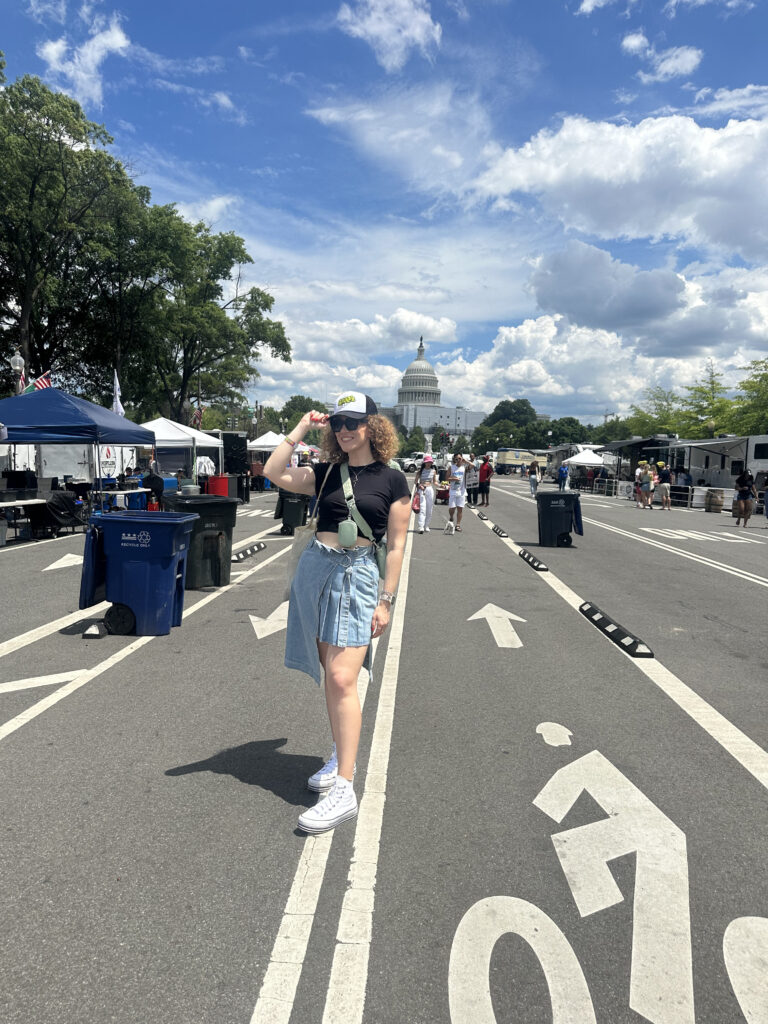
I try to protect that life. Research has an intense, sometimes all-consuming pace, and I've learned that to work well, it's also essential to know how to truly disconnect. Outside the lab, I enjoy playing sports, staying active, and trying to experience the city in all its nuances, seizing the opportunities and beauty it offers.

I also often organize short trips out of town to discover the places, museums, and corners of art and culture that characterize this area. I try to dedicate my weekends to the people around me: the friends who, over time, have become a true family here abroad.

I've built precious relationships, some born by chance, which over time have become important points of reference in my daily life. Living far from home forces you to build a new normal, piece by piece, with great care. It's not always easy, especially in the most difficult moments, when you feel distant from those who have always known you.

But I also learned this: that you can create deep bonds even far from your roots, and that knowing how to be comfortable on your own, as well as building a home wherever you are, is as much a part of the journey as the work in the lab.

What do you miss most about Calabria?

I miss the everyday things most of all: my family, my loved ones, and that network of bonds you truly feel when you're far away.

I also miss the sea, the light, and the scents of the South—everything that creates a sense of belonging that's hard to explain. The hardest time is summer, because in Calabria it's not just a season, but a way of life that you feel even more when you're away.

They are simple, but fundamental things, and when they are missing they really make themselves felt.

Do you see yourself returning to Italy in the future? And what would have to change for this to actually be possible?

Yes, I'd like to return, not just for emotional ties but to give something back to a country that shaped me. For me, Italy isn't just a memory, but a concrete possibility and even a future prospect.

That said, the return must also be professionally sustainable. In my field, neurodegenerative diseases, continuity, stability, and adequate resources are essential: without these conditions, it's difficult to build a solid path.

Italy already boasts enormous scientific prowess, especially in ALS clinical research, with internationally recognized expertise and quality. It must not pursue its own potential, but rather believe more deeply in it.

Structural investments would be needed to make the return possible, clear and meritocratic career paths, greater stability, and concrete programs for those returning from abroad. Those returning must be able to build, not simply adapt.

I hope, one day, to be able to bring back to Italy everything I've learned, contributing to the growth of a system that already has all the foundations to be excellent.

If you had to dedicate this journey to someone, who would your first thought be?

To my mom. Without hesitation, without even a second of doubt. She is the driving force behind everything. She sacrificed a huge part of her life for me and my brother, silently, with that calm and tireless perseverance that only truly great people possess. When I didn't believe in myself enough, she believed in me for two. When the road seemed too steep, she was the one who gave me the push to keep climbing.

And then, on a larger scale, the dedication goes to my entire family. They are the core of my being, the root from which everything else springs. Without them, I wouldn't be here, I wouldn't be the person I am, I wouldn't have had the courage to leave knowing I had something so solid to return to.

They're the thing I miss most every day, yet they're also the most constant presence in my life: in a phone call, in a thought, in that sense of home I carry with me wherever I go. This journey is dedicated to them. To those who believed in me before I even knew what to believe in.

And perhaps this is the thread that runs through the entire interview: the ability to combine ambition and identity, professional growth and human authenticity. Because you can go far, cross borders, and change your life, but there are roots that never break; they transform into guidance, balance, and silent strength.

Paola's gaze unites different worlds, with the awareness that the true goal is not only what you achieve, but what you become along the way. And in every step, even thousands of miles from home, there is always a piece of that love that started it all.