

The birth of a myth in French cinema
When you pronounce the name of Brigitte Bardot It evokes not only a great actress of French cinema, but a cultural symbol who has spanned eras, social revolutions, and transformations of customs. Her figure, suspended between myth and reality, continues to represent one of the most powerful and recognizable images of the twentieth century.
Born in Paris in 1934, Bardot entered the world of entertainment at a very young age. First a model, then an actress, she quickly captured the attention of the public and critics. The real turning point came in 1956 with the film And God… created the woman Directed by Roger Vadim. In that work, Bardot embodied a spontaneous sensuality, free from rigid codes and moral conventions. She wasn't just a film protagonist: she became the face of a new femininity.

Fashion, style and the revolution of the female image
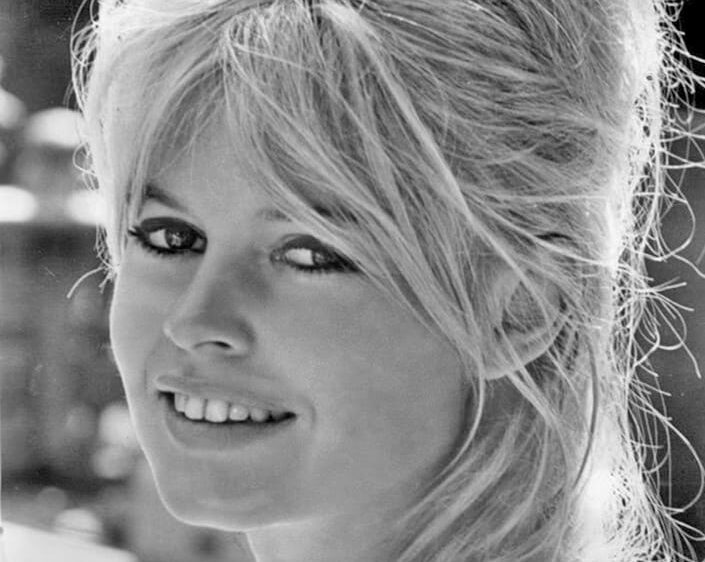
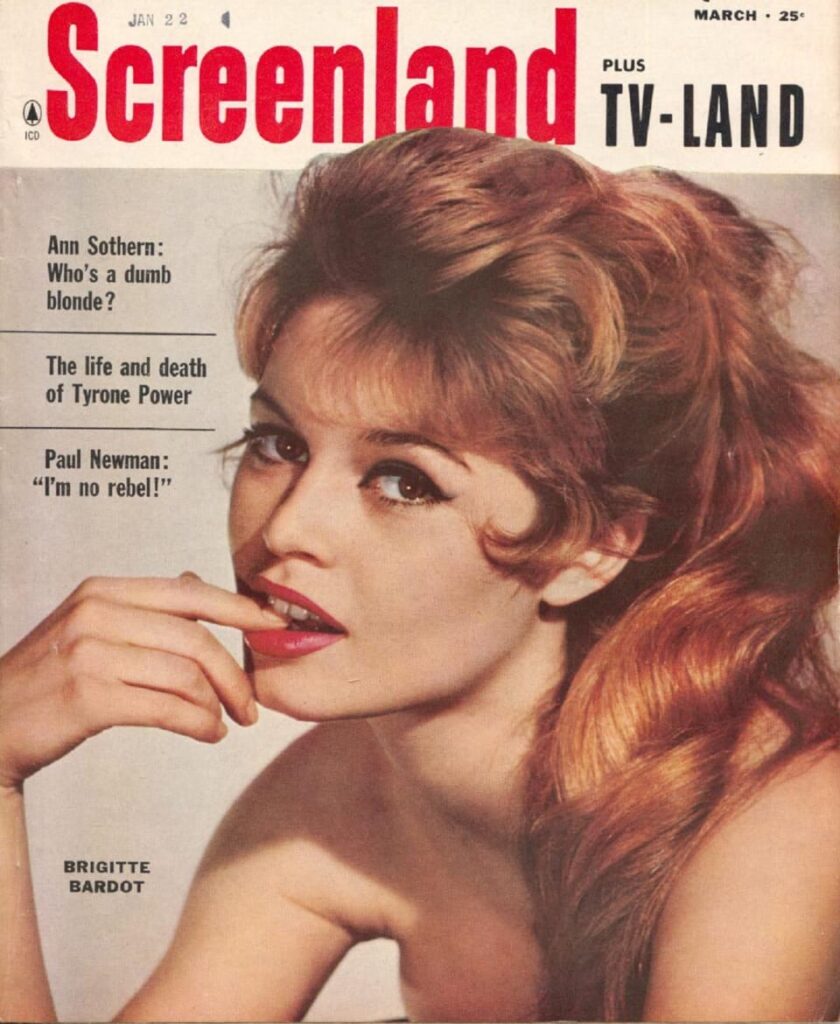
In the 1950s and 1960s, her impact was extraordinary. Bardot helped redefine the image of women in Western cinema and society. Her beauty was not constructed according to the sophisticated standards of classic divas. Hollywood; Instead, she appeared natural, rebellious, almost wild. Her tousled blond hair, heavy eye makeup, and casual attitude in front of the camera created an instantly recognizable style.
The Bardot phenomenon quickly transcended the confines of cinema. She became a fashion icon, inspiring entire generations. The famous "Bardot bun," her light dresses, tight jeans, and ballet flats entered the collective imagination. Even the bikini, still considered risqué in the 1950s, found in her an extraordinary ambassador, contributing to its global diffusion.
But her influence was also cultural and social. Bardot represented an independent woman, capable of openly challenging the conventions of the time. At a time when women's freedom was still severely limited, her public image suggested a new way of experiencing the body, desire, and personal autonomy. For many observers, she was one of the first European stars to embody the spirit of the future social revolution of the 1960s.
Beyond Cinema: Commitment to Animals
Bardot's film career was intense but relatively short. After approximately forty-five films and collaborations with major directors, she decided to abandon the cinema permanently in 1973. A surprising choice for a still extremely popular star, but one consistent with her independent nature.
From that moment on, her life took a different direction. Bardot devoted herself passionately to animal rights, founding the Brigitte Bardot Foundation in 1986. The actress turned her fame into a tool for international awareness, engaging in campaigns against seal hunting, the fur trade, and animal exploitation. Over the years, this work has become the center of her public identity.
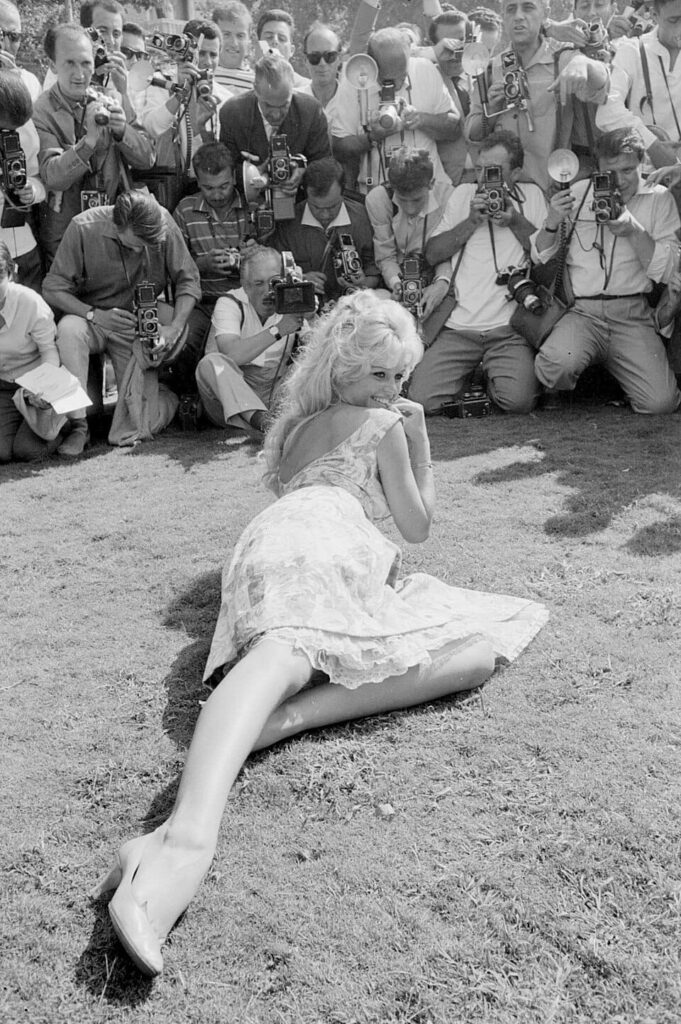
Today, Brigitte Bardot remains a complex and sometimes controversial figure, but her role in the history of visual culture is undeniable. Actress, muse, symbol of freedom and provocation, she helped redefine the image of femininity in the contemporary world.
Decades later, her face continues to populate posters, photographs, and film retrospectives. Bardot isn't just a star of the past: it's an archetype. A presence that belongs to the collective memory and continues to recount the beginning of a modernity in which the body, identity, and individual freedom found new forms of expression.


