

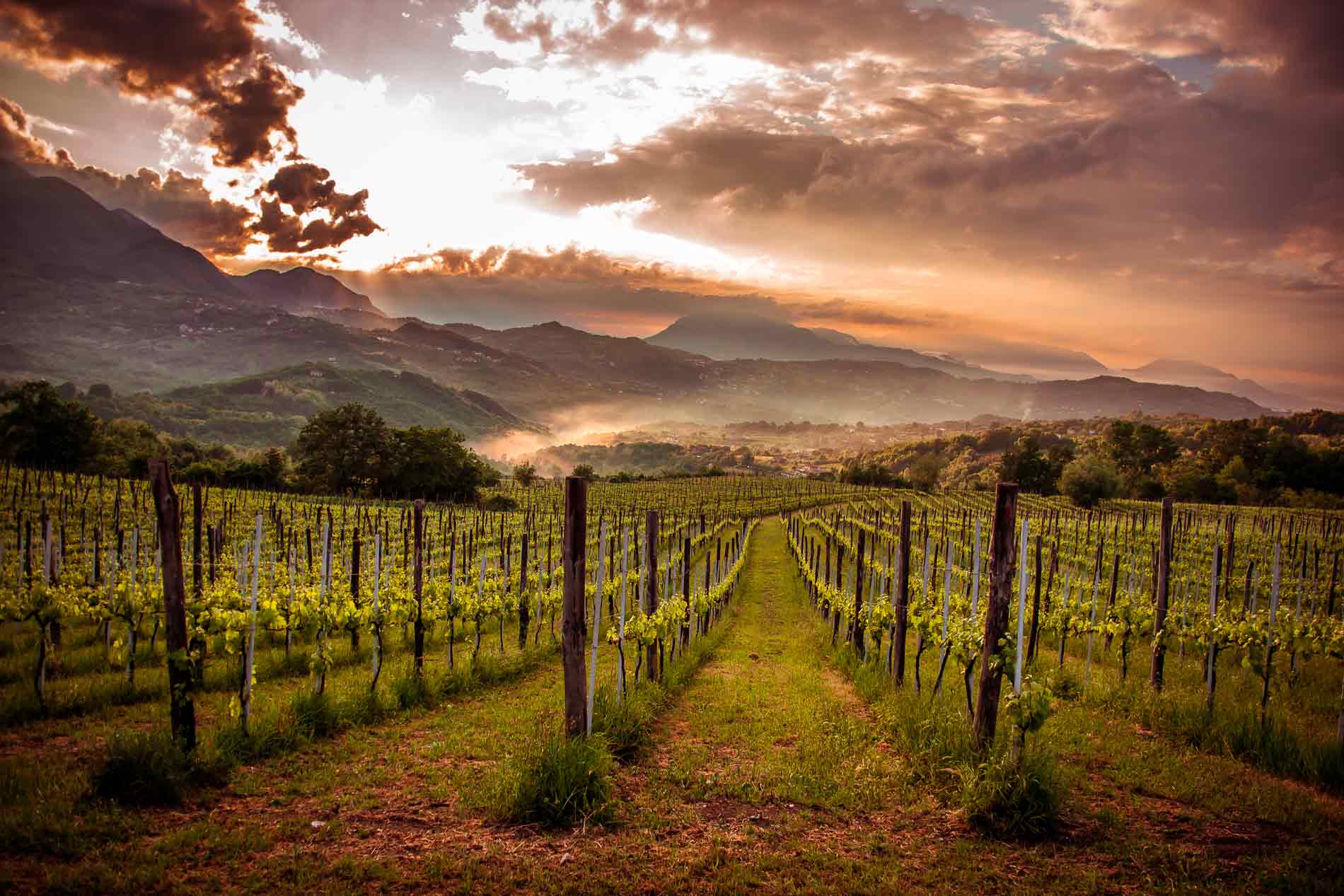
There is an Italy that the American public knows well: that of the great cities of art, of the iconic destinations, of the images that have fueled the global imagination for decades. Rome, Florence, Venice they represent a universal, recognizable and celebrated heritage.
Then there's another Italy, quieter and less exposed, but infinitely more authentic. It's the Italy of small inland villages, of hills that follow one another slowly, of communities that preserve uninterrupted stories. It's the Italy of internal areas of the South, and this is where the tourism of the roots finds its truest, deepest, most necessary expression.
For millions of Americans of Italian descent, this isn't just any journey. It's a return. Even when you've never been before.
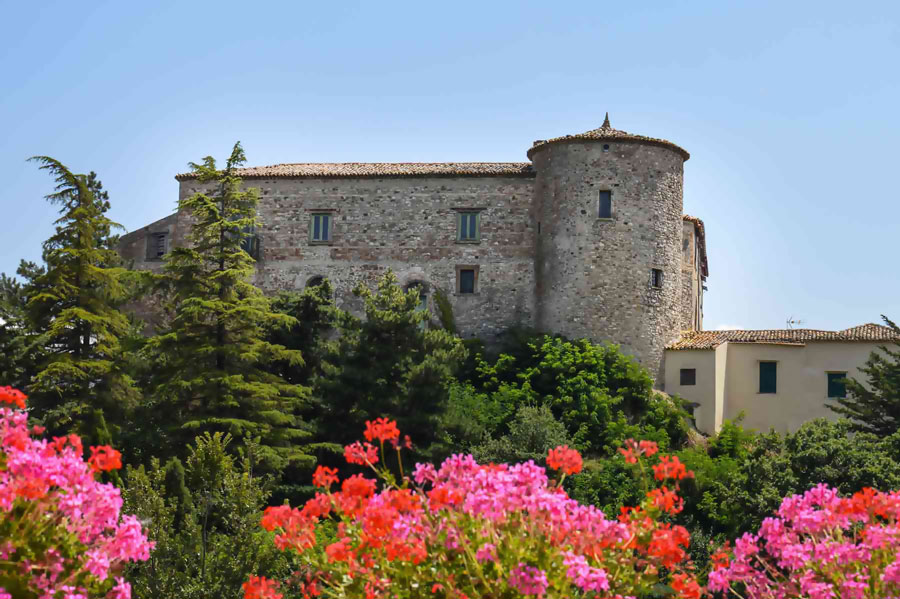
Ph. Credit: Info Irpinia
Two Italies: Between Global Icons and Authentic Territories to Rediscover
Campania, Basilicata, Calabria, Molise, Puglia, Sicily Internal: territories that for decades were places of departure are now becoming places of rediscovery. In these towns, often far from traditional tourist routes, every surname tells a story that spans the ocean. The squares, churches, and municipal archives preserve tangible traces of bonds that have never truly been broken, but have simply transformed over time.
Roots tourism is born here: from the desire to transform a family memory into a lived experience, to give substance to the stories heard for years, to make real what has been passed down.
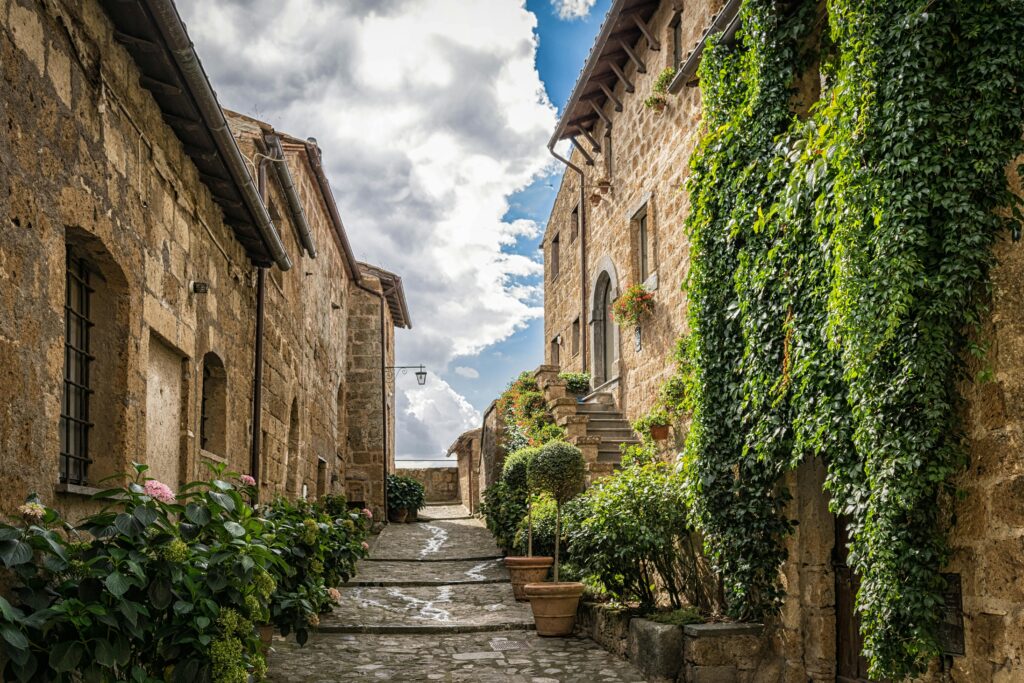
In Calitri, among the alleys of Irpinia, you can still find the stories of those who left for America at the beginning of the twentieth century, leaving behind homes that are now reopening. GangIn the Sicilian hinterland, the recovery of abandoned homes has attracted descendants ready to re-establish a concrete bond with the territory, transforming the return into a lifestyle choice. Civita, in Calabria in the park of Pollino, a village founded in the 15th century by Albanian communities fleeing the Ottoman invasion, still preserves the language, religious rites, customs and traditions of this identity, which continues to live on in everyday life, offering an experience that is never constructed, but simply authentic, rooted, shared.
In these places, you're not a tourist in the traditional sense. You're part of a reawakened history, a tale that regains its voice.
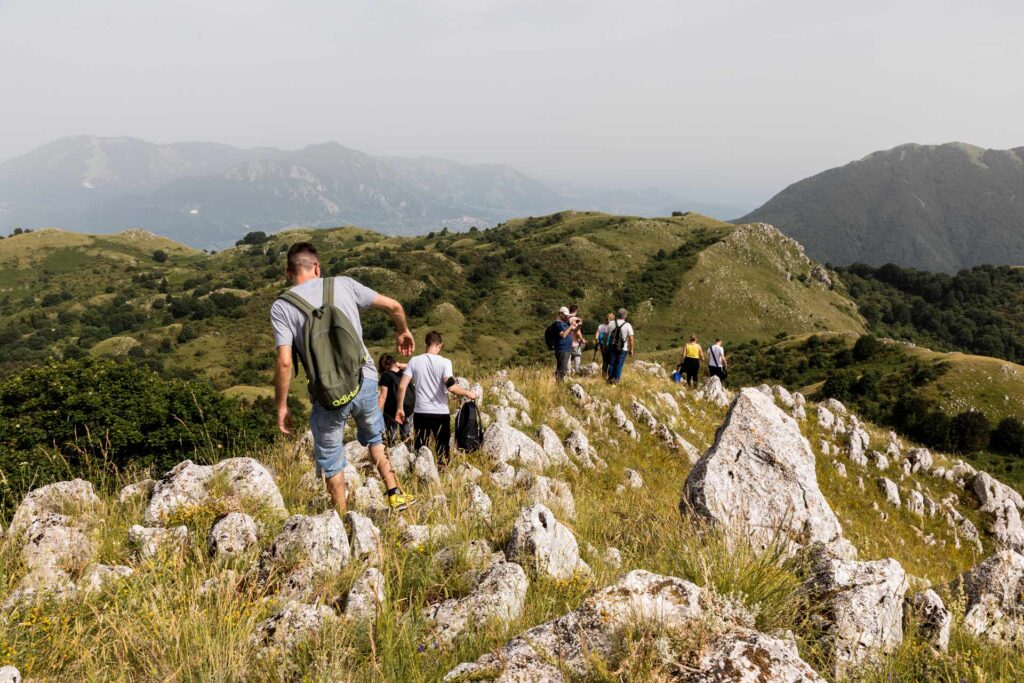
Ph. Credit: Info Irpinia
The Journey of Origins: Identity, Memory, and Belonging
The value of this journey lies not only in discovery, but in recognition. Finding a surname engraved on a tombstone, a house recounted by grandparents, a street bearing the same name as one's family: these are moments that transform the journey into something deeper. Into something that endures, that changes one's perspective, that redefines one's sense of belonging.
And while those who arrive rediscover a part of themselves, the territories find new energy.
The inland areas of Southern Italy, marked over the years by depopulation and marginalization, are experiencing a new era thanks to this type of tourism. A slow, conscious form of tourism that generates value without distorting the local environment. Family-run accommodations, locally sourced restaurants, artisanal crafts, cultural services, and genealogical itineraries are becoming part of a widespread economy, capable of restoring dignity and prospects to communities often left on the margins of mainstream tourism narratives.
From Rediscovery to New Beginnings: Tourism, Community, and Roots Weddings
It's a different model, one that focuses not on large numbers but on the quality of the experience. Not on speed, but on depth. Not on the consumption of places, but on their regeneration.
In an increasingly standardized world, these areas offer something that has become rare elsewhere: authenticity. Not as a narrative construct, but as a natural condition. Here, culture isn't staged, because it has never stopped being lived. Traditions aren't extraordinary events, but part of everyday life. Time isn't marked by urgency, but by relationships.
For the American public today, a concrete and extraordinary opportunity exists: crossing the ocean not to visit a place, but to reconnect with a history. Local governments, together with new cultural and business entities, are building increasingly accessible tools: digital archives, personalized genealogical journeys, immersive experiences designed for those arriving from abroad with a desire to rediscover themselves.
It is a silent invitation, but increasingly strong.
Because roots tourism isn't nostalgia. It's a contemporary form of belonging, capable of uniting past and present in a tangible experience.
And today, this return also takes on new, unexpected and profoundly symbolic forms.
More and more US citizens are choosing to celebrate key moments in their lives in their native places. In particular, the verdant Irpinia region—the inland heart of Campania—is emerging as one of the most evocative settings for weddings that combine elegance, authenticity, and memory. Among rolling hills, pristine landscapes, restored ancient farmhouses, agritourisms, and resorts immersed in nature, these regions offer an intimate and refined welcome, far removed from the hustle and bustle of mass tourism.
Here, the wedding becomes an experience: not just an event, but a story. Guests don't simply participate in a ceremony, but experience a region, discovering its rhythms, flavors, and relationships. It's a form of hospitality that unites aesthetics and identity, beauty and roots.
Choosing to get married in these places means much more than choosing a location. It means rooting a new beginning in an ancient history. It means transforming a return into an act of continuity.
And perhaps this is the deepest meaning of roots tourism: not simply returning, but recognizing that those places, in some way, were never truly far away.
Thanks Info Irpinia for the cover photo


